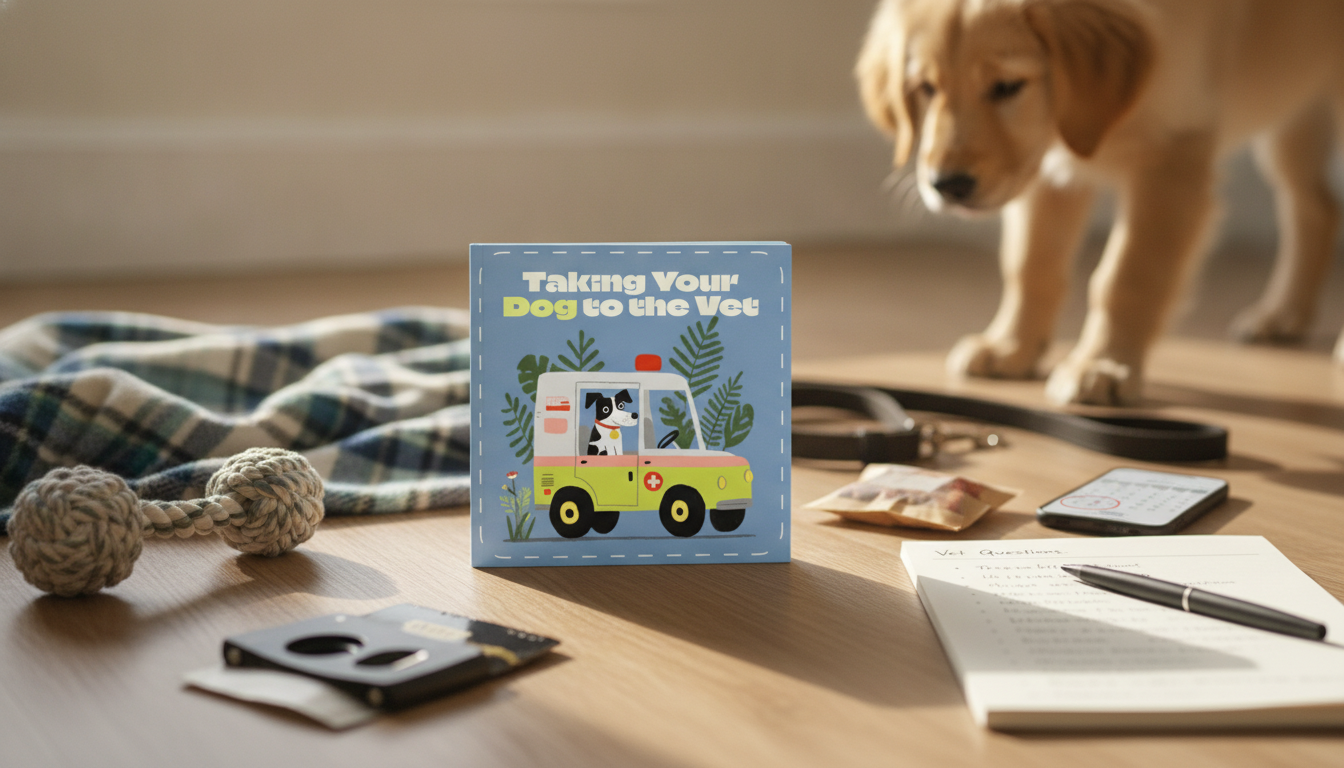
A first veterinary visit can feel like a lot—new smells, new people, and unfamiliar handling. A little prep goes a long way toward a smoother appointment, more accurate recommendations, and a calmer dog. Use the plan below to get ready at home, move through the clinic with fewer surprises, and leave with a clear care roadmap for the weeks ahead.
Choosing the right clinic and appointment time sets the tone for everything that follows. If your dog is shy, newly adopted, or easily overwhelmed, aim for fewer stress “stack-ups” (busy lobby, long wait, rushed exam).
When discussing vaccines and preventive care, it helps to reference widely accepted guidance such as the AVMA vaccination resources and your clinic’s local risk recommendations.
Arriving prepared saves appointment time for what matters most: a thorough exam and a plan you feel confident following.
| Category | Pack This | Why It Helps |
|---|---|---|
| Records | Vaccination history, microchip info, prior vet notes | Prevents duplicate vaccines/tests and speeds up the plan |
| Samples | Stool sample (if requested) | Supports parasite screening and targeted treatment |
| Comfort | High-value treats, blanket, toy | Builds positive associations during handling |
| Safety | Leash/harness or carrier | Reduces risk of escapes and stressful interactions |
| Notes | Symptom timeline + questions list | Ensures concerns are addressed while time is focused |
Most first visits follow a predictable flow. Knowing the rhythm ahead of time helps you advocate for your dog and catch details you’ll want to remember later.
If you’re bringing a newly adopted dog, share any background you have (travel history, shelter environment, exposure to other animals). The CDC Healthy Pets, Healthy People hub is also a useful reference for basic hygiene and zoonotic disease awareness, especially in multi-pet homes.
Appointments can move quickly. A short list of “must-ask” topics helps you leave with fewer loose ends.
For additional pet-owner education topics you can review before or after the visit, the AAHA pet owner resources library is a dependable place to start.
If you want a ready-to-use plan you can keep on your phone (plus a printable checklist for appointment day), the Paws & First Visits digital guide and printable checklist organizes what to bring, what to ask, and what to track after you get home.
For households working on consistent feeding routines after the visit (especially if your vet recommends measured meals), consider the Automatic Pet Feeder with Tilted Double Bowls and Water Fountain to help keep daily portions and water access more predictable.
Schedule a puppy’s first vet visit as soon as possible after adoption or purchase, ideally within the first week. The vaccine schedule depends on age and any records you already have, so call the clinic to book the right time based on your puppy’s current status.
Bring any prior medical and vaccine records, adoption or breeder paperwork, microchip information, and diet details. If the clinic requests it, bring a fresh stool sample, plus a short list of symptoms/questions, treats, and a secure leash/harness or carrier.
Mild sleepiness, a slightly sore injection site, or a temporary lower appetite can be normal for a day or so. Call your vet right away if you see facial swelling, repeated vomiting, trouble breathing, hives, severe lethargy, or collapse.












Leave a comment