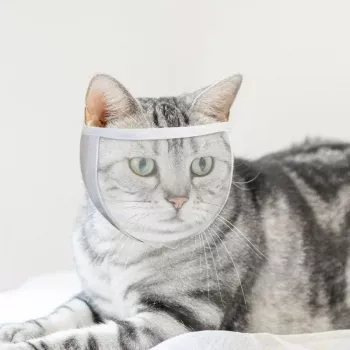
A clear cat muzzle can help reduce biting and sudden lunges during short, necessary tasks like nail trims, brushing out mats, or administering basic care. The transparent design keeps the face visible, which can make handling feel less intimidating and allows close monitoring of breathing and stress signals. Used correctly and briefly, a muzzle is a practical safety tool—never a long-term restraint.
A muzzle is most useful for fast, hands-on moments when safety is the priority and the task can be completed quickly. Think of it as a “seatbelt,” not a solution for deeper fear or ongoing aggression.
For general cat care guidance and wellness basics, reliable references include the American Veterinary Medical Association (AVMA) cat care resources and ASPCA cat care.
Opaque muzzles can feel “blindfold-like” to some pets and make it harder for a handler to assess comfort. Transparent options are popular because they prioritize visibility and quick monitoring.
The best muzzle is the one that fits correctly, allows comfortable breathing, and goes on and off fast—so the cat wears it for the shortest time possible.
Fit is the difference between a helpful safety tool and a stressful experience. Measure before buying when possible, and always do a brief “trial run” at home when everyone is calm.
| Check | What to Look For | If It Fails |
|---|---|---|
| Breathing | Smooth, quiet breathing; nostrils clear | Remove immediately and re-fit or choose a different size |
| Position | Sits below eyes; doesn’t press whisker pads | Adjust strap; discontinue if it keeps shifting |
| Security | Doesn’t slip off with gentle head shake | Tighten slightly or switch to a better design/size |
| Time | Only used for a short task (minutes, not extended wear) | Pause the task, give a break, and reassess approach |
| Stress signals | Ears flattened, wide eyes, frantic pawing are minimal/brief | Stop and try lower-stress handling methods instead |
Introducing a muzzle should look more like training than “getting it over with.” A few short sessions can reduce resistance and keep the experience predictable.
If fear or aggression is frequent, behavior resources like those from the Cornell Feline Health Center can help you spot patterns and plan a safer approach with your veterinarian.
For quick bite-risk moments, the Transparent Cat Muzzle offers a clear design so the face area stays visible during short handling tasks. It’s a practical choice for nail trims, spot brushing, and brief care steps where you want added safety without blocking your view.
The Portable Breathable Pet Backpack is a travel-friendly option to consider for calmer transport, especially when you want steady ventilation and easier loading/unloading on busy days.
It can be safe when the muzzle is correctly sized, has adequate ventilation, and is used only for short tasks. Monitor breathing closely and remove it immediately if breathing becomes noisy, labored, or panicked, and never leave a muzzled cat unattended.
A muzzle should be worn only for the few minutes needed to complete a specific task, not for extended periods. If you find a muzzle is needed frequently, it’s a sign to talk with a veterinarian or a behavior professional about safer long-term strategies.
A muzzle mainly reduces biting; scratching can still happen. For scratching control, use a gentle towel wrap, keep sessions brief, and consider trimming one paw at a time with calm, steady handling.











Leave a comment