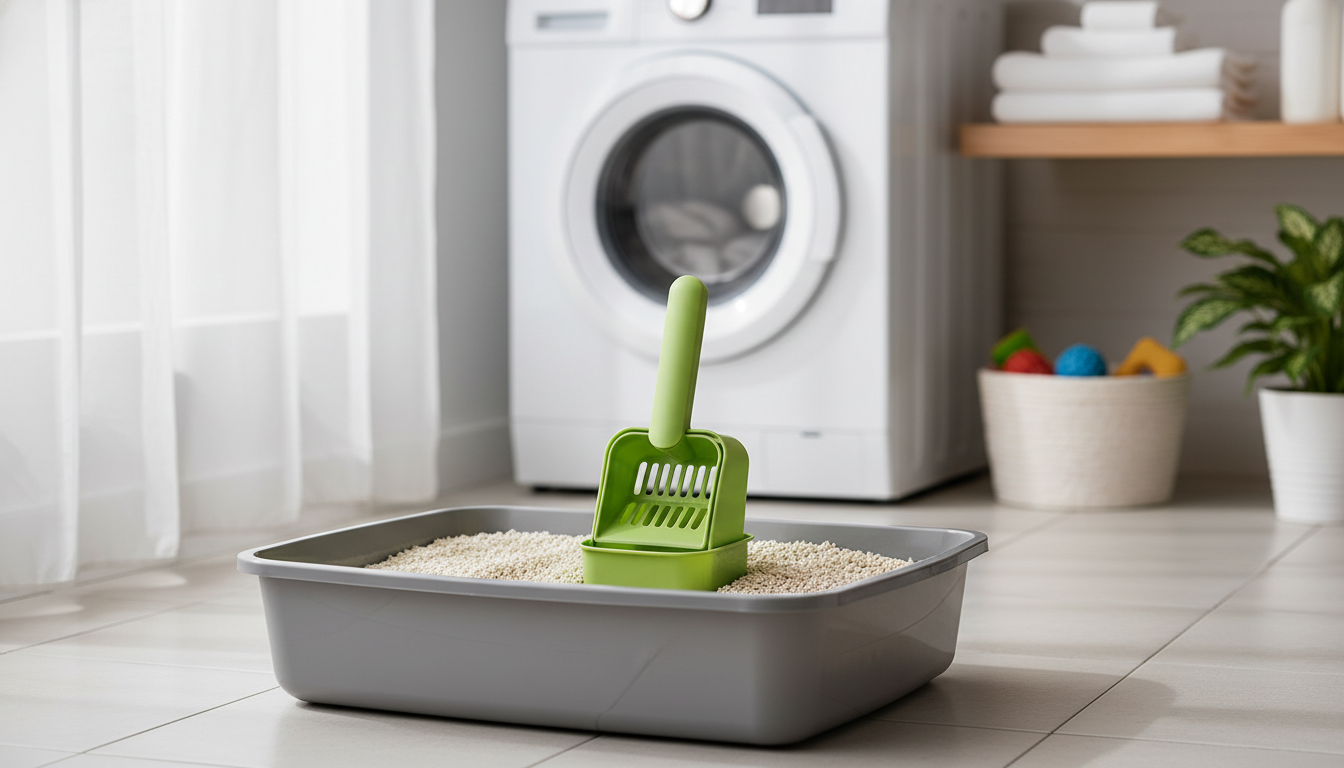
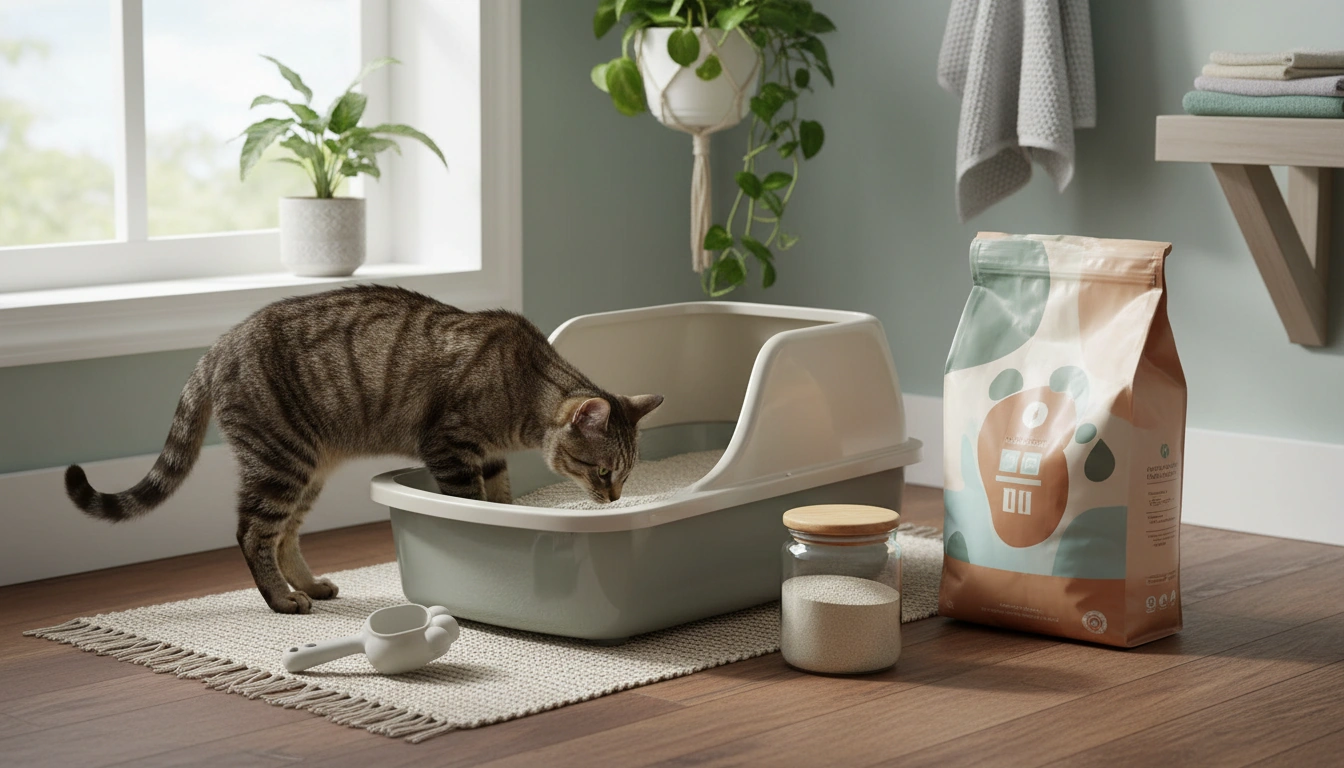
A tidy litter area starts with a scoop that works with you, not against you. This plastic cat litter scoop with a self-cleaning base is designed to reduce mess between scoops, keep the tool contained when not in use, and make daily box maintenance quicker and more comfortable. Instead of wondering where to set a used scoop (or wiping up stray drips afterward), you get a simple “scoop-and-store” routine that fits neatly beside the box—especially helpful in apartments, laundry rooms, and small bathrooms.
If you’re ready to streamline cleanup, the Plastic Cat Litter Scoop with Self-Cleaning Base is an easy upgrade that keeps the work contained and the area looking more put-together between deep cleans.
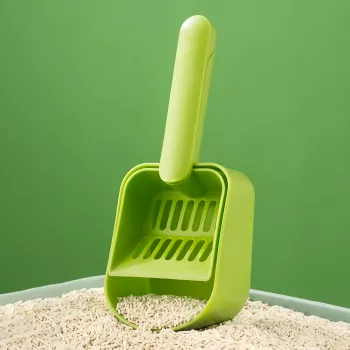
A self-cleaning base isn’t about complicated mechanics—it’s about controlling where residue goes after each scoop. That small change can make the entire litter area feel cleaner day to day.
Daily scooping also supports healthier hygiene habits around pets. For general cat-related hygiene considerations, the CDC’s guidance for healthy pets and people is a good reference: https://www.cdc.gov/healthypets/pets/cats.html.
Not all scoops feel the same once you’re using them twice a day. The best sets balance speed, control, and easy rinsing—without being bulky.
If the litter area is part of a busy household routine, it can help to pair consistent scooping with simple “comfort upgrades” nearby. Cats often drink more when water is fresh and circulating, so adding a LED Cat Water Fountain near a feeding station can support hydration while you’re tightening up daily care.
Small technique tweaks keep clumps intact and reduce dust—often more than changing products.
For multi-cat households or high-energy cats that kick litter around, adding an enrichment toy elsewhere in the home can reduce boredom-related “litter box redecorating.” The Interactive Cat Chew Toy with Bells & Catnip is an easy option to rotate into playtime.
A scoop can look clean while holding odor in tiny scratches or residue in corners. Light maintenance prevents that “lingering smell” that makes the whole area feel less fresh.
If litter box avoidance or behavior changes show up, box cleanliness is only one piece of the puzzle. These references can help troubleshoot common issues and management basics: ASPCA: Litter Box Problems and Cornell Feline Health Center: Litter Box Management.
| Litter type | What to expect | Helpful habit |
|---|---|---|
| Clumping clay | Firm clumps, quick sifting | Lift slowly and tap lightly over the box |
| Plant-based clumping | Softer clumps, can crumble | Scoop from underneath; avoid shaking |
| Crystal/silica | Low clumping, easy pass-through | Use gentle taps; check slot size performance |
| Non-clumping | Solids-only removal, less sifting benefit | Scoop daily and refresh litter more often |
For a simple, budget-friendly improvement that keeps cleanup contained, the Plastic Cat Litter Scoop with Self-Cleaning Base fits neatly into daily care without overcomplicating the routine.
Rinse and wash the scoop and base weekly with warm water and mild dish soap, and do it more often in multi-cat homes. Dry them completely before storing to prevent odor and moisture buildup, and replace the scoop if deep scratches form or odors persist.
Yes, but results vary based on slot width and litter size. Crystal litter often sifts quickly, while non-clumping litter benefits less from sifting and may require more frequent full litter changes for better odor control.
Sift slowly, avoid vigorous shaking, and use one or two gentle taps over the box to drop clean litter back in. A small litter mat outside the box and a lower-dust litter can also make a noticeable difference.








Leave a comment