
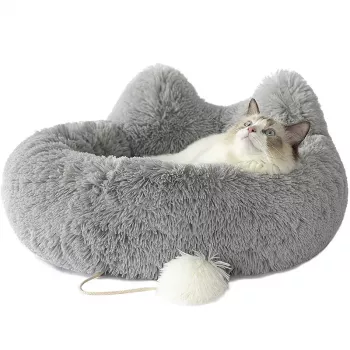
A well-designed calming bed can help small dogs and kittens settle faster, stay warmer, and feel more secure—especially during naps, nighttime sleep, travel, or noisy moments at home. The most effective options combine a cozy boundary with a soft surface and a supportive shape that encourages natural curling. Below is a practical guide to what makes a bed genuinely soothing, how to choose the right size and placement, and how to keep it fresh so your pet keeps coming back to it.
Many small pets feel safer when their resting space has a defined “nest” or “den” edge. That gentle boundary can reduce startle responses and make it easier to settle, particularly for pets that are new to the household or still learning a routine.
For broader pet wellness and care basics, the American Veterinary Medical Association (AVMA) offers helpful owner resources, while the ASPCA covers behavior and training foundations that support calmer downtime.
Not every plush bed is truly calming. The difference usually comes down to structure, resilience, and everyday usability. A bed can look fluffy on day one but stop feeling “nest-like” once it compresses, or it can be difficult to clean—two fast ways for a pet to lose interest.
| Feature | What to check | Why it matters |
|---|---|---|
| Bolstered rim | Even, padded rim without gaps | Gives security and head support |
| Cushion rebound | Press down and release; it should spring back | Helps joints and keeps shape |
| Base grip | Rubberized or textured bottom | Reduces slipping and startle responses |
| Washability | Clear washing instructions; removable cover if available | Cleaner bed, fewer odors, less allergen buildup |
| Size fit | Pet can curl with a little room; rim supports but doesn’t crowd | Comfort and consistent use |
Even a great bed can go unused if it feels awkward to enter or if it’s placed where your pet can’t fully relax. Size and location work together: the goal is a space that feels easy, predictable, and safe.
If your cat tends to feel most secure when they can observe the room, consider a placement with a wall behind the bed and a clear view in front. For more cat-specific wellbeing guidance, International Cat Care has practical, behavior-forward tips.
If you’re looking for a simple comfort upgrade that fits naturally into your pet’s daily routine, the Calming Bed for Small Dogs & Kittens is designed to create a cozy, contained sleeping space for smaller companions.
| Item | Details |
|---|---|
| Product | Calming Bed for Small Dogs & Kittens |
| Price | 32.97 USD |
| Availability | In stock |
| Product page | View details |
For kittens in particular, a short play session followed by a calming wind-down can help connect “tired” with “bed.” If your cat enjoys self-directed enrichment, the Interactive Cat Chew Toy with Bells & Catnip can be a low-effort option to help release wiggles before rest.
Many pets enjoy the cozy boundary and plush texture, but preferences vary. Pets that sprawl, run warm, or dislike bolsters may do better with a flatter, cooler sleep surface, and ongoing or intense anxiety is best discussed with a veterinarian or qualified behavior professional.
Measure your pet’s usual sleep posture—curled-up diameter versus stretched-out length—and choose based on the position used most often. For growing kittens, consider sizing up, and make sure the rim supports your pet without making entry feel difficult.
A common routine is every 1–2 weeks, with more frequent washing for heavy shedding, allergies, or sensitive skin. Spot clean as needed, use fragrance-free detergent, and dry completely to prevent lingering odors.










Leave a comment