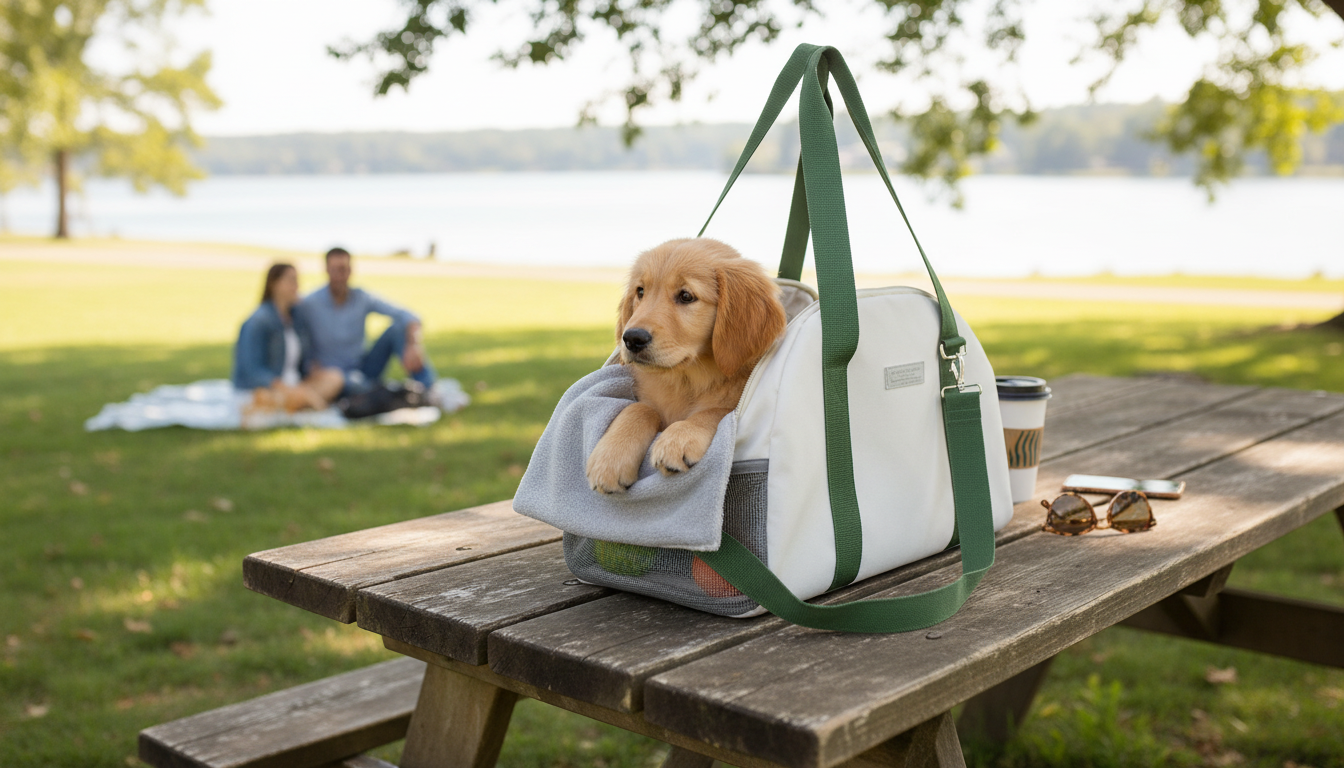
A travel shoulder bag can make short trips, vet visits, and daily errands calmer for pets that prefer staying close. This breathable carrier style focuses on airflow, secure support, and hands-free carrying—while keeping small cats and dogs visible, settled, and comfortable. For many households, it’s an easy grab-and-go option when a hard carrier feels like overkill, but you still want a contained, controlled way to move through busy spaces. For more guidance, see Best Cat Carriers & Strollers Reviews and specifications… – Revain.
A breathable shoulder carrier is built for convenience and closeness. Instead of placing your pet out of sight, it keeps them near your body where they can often relax faster—especially if they’re comforted by seeing and hearing you. For further reading, see Best Small Animal Carriers Reviews and specifications… – Revain.
If you’re shopping for a simple, everyday carrier, the Portable Breathable Cat and Small Dog Travel Shoulder Bag is a practical place to start—especially for quick outings where you want ventilation and easy carry in one piece of gear.
Ventilation isn’t just about comfort—it can also influence how steady a pet feels while moving through unfamiliar sounds, smells, and motion. Breathable panels help air circulate and can reduce that “stuffy” feeling some pets dislike in more enclosed carriers.
For broader travel safety guidance, the American Veterinary Medical Association (AVMA) and The Humane Society of the United States both emphasize planning ahead, minimizing stress, and never leaving pets in parked vehicles.
A shoulder carrier works best when the fit is right and the basics are checked every time—especially closures and restraint points. A few seconds at the door can prevent avoidable problems in a parking lot or waiting room.
For cats that get motion-stressed, pairing travel practice with positive routines at home can make a noticeable difference. Keeping hydration consistent can help too; the LED Cat Water Fountain can support regular drinking habits, which is especially helpful when routines change around travel days.
Your comfort matters—if carrying hurts, trips get shorter and more stressful for everyone. A good shoulder carrier should sit close to the body, feel stable, and avoid unnecessary swinging.
| Carrier type | Best for | Trade-offs |
|---|---|---|
| Breathable shoulder bag | Short trips, quick errands, vet visits | Less weight distribution than backpacks; needs careful sizing |
| Pet backpack | Longer walks, commuting on foot | Pet is less visible; some pets dislike the elevated position |
| Hard-sided carrier | Car travel, strong containment, multi-pet households | Bulkier, less convenient to carry by hand |
For pets that need a little distraction during the “getting ready” phase, a quick play session can help take the edge off before the carrier comes out. The Interactive Cat Chew Toy with Bells & Catnip can be a simple way to burn off nervous energy and build a positive pre-trip routine.
Check the carrier’s size and weight limits, then measure your pet’s length and current weight to confirm a comfortable fit. Your pet should be able to sit and shift position without being cramped; if they’re close to the limit, sizing up usually improves comfort and stability.
Breathability helps airflow but doesn’t prevent overheating, especially in direct sun or humid conditions. Stick to shade, short exposure times, and water breaks, and never leave a pet in a parked car; watch for heavy panting, drooling, or agitation and end the outing if you see signs of heat stress.
Start with the carrier open at home, adding treats, toys, and short calm sessions so it becomes familiar. Gradually progress to brief carries and short walks, avoiding force and ending practice on a relaxed moment whenever possible.









Leave a comment