Waterproof Cat Tent Bed: A Portable, Detachable Hideaway for Cats and Small Dogs
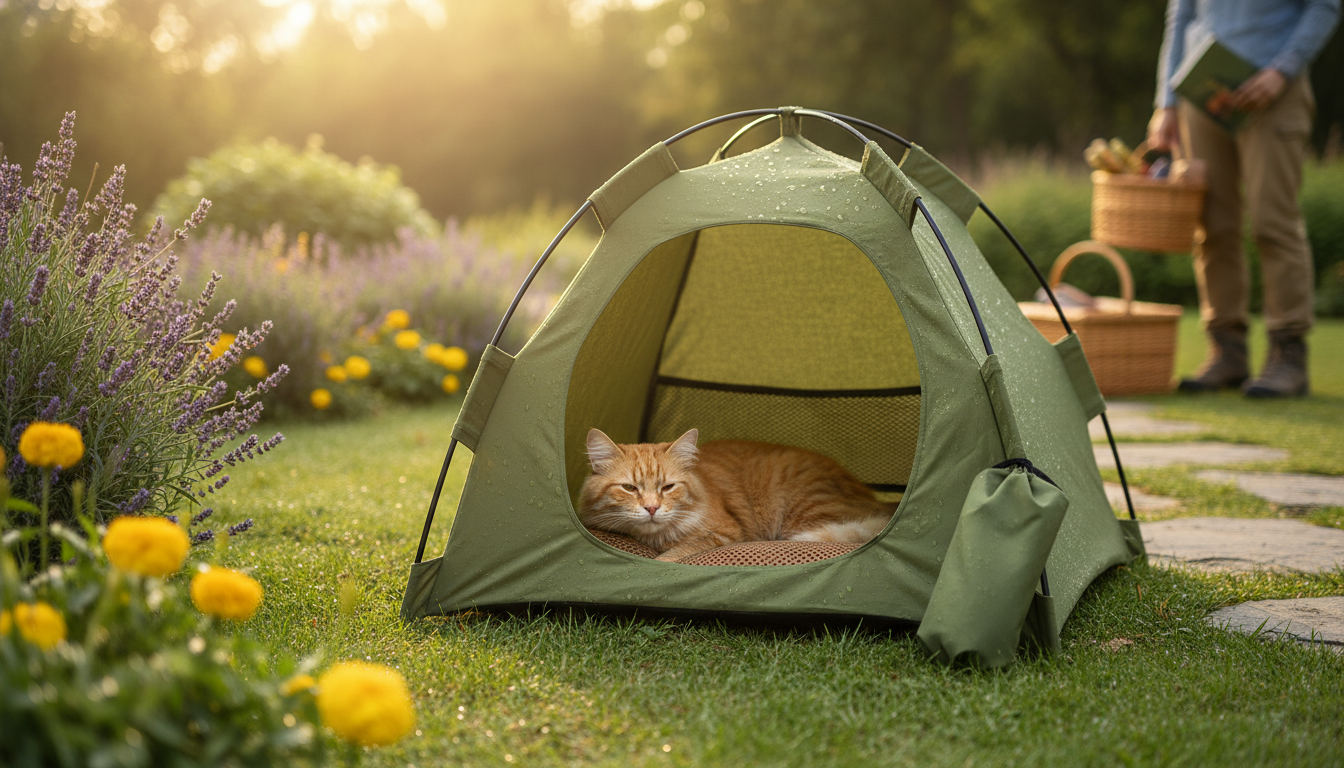
A compact tent-style pet bed creates a calm, den-like nook at home and an easy-to-pack resting spot for trips. A waterproof, portable, detachable pet house is especially helpful for pets that prefer to curl up in a covered space and stay off chilly floors, slightly damp patios, or messy travel-area surfaces. With the right setup, it becomes a reliable “safe zone” that feels consistent from room to room and place to place.
What This Tent Bed Is Designed to Do
- Provide a covered, den-style resting space that helps many pets feel more secure than an open bed.
- Offer a lightweight shelter option for indoor use, patios, travel, or supervised outdoor lounging.
- Help keep bedding drier by using a water-resistant exterior that can handle light moisture and small spills.
- Pack down and move easily between rooms, crates, cars, or vacation stays.
If your pet tends to nap under chairs, behind curtains, or in partially covered corners, a tent bed can mimic that “protected” feeling while keeping the resting area more contained and easier to clean.
Key Features to Look For in a Waterproof Pet Tent Bed
- Water-resistant outer material: Reduces soak-through from damp surfaces, tracked-in water, or minor spills.
- Detachable structure or panels: Makes storage and cleanup easier—especially after travel or outdoor use.
- Stable supports: Helps the canopy keep its shape without sagging or collapsing during everyday use.
- Ventilation and a practical entry opening: Allows easy access while reducing heat build-up.
- Comfort options inside: Room for a thin pad or small blanket so you can match your pet’s preferred sleeping feel.
- Non-slip or grippy base: Helps prevent sliding on tile, laminate, or hardwood floors.
For pets that are cautious, stability matters just as much as softness. A tent that wobbles or caves in can discourage use, while a firm, predictable shape helps the space feel trustworthy.
Quick Specs and At-a-Glance Benefits
- Best for: Cats, kittens, and small dogs that prefer covered beds.
- Use cases: Nap spot, quiet corner retreat, travel sleep station, supervised porch/patio lounging.
- Care goals: Easier wipe-down surfaces and detachable parts to simplify cleanup.
- Value: A budget-friendly way to add a dedicated resting nook without taking up much space.
At-a-Glance: Tent Bed Fit Guide
| Pet type |
Typical fit |
Comfort tip |
| Adult cat |
Great fit for most curl-sleepers |
Add a thin blanket for extra warmth and scent comfort |
| Kitten |
Cozy, secure nook |
Place near a heat-safe warm area (not touching heaters) |
| Small dog |
Works for compact breeds and pets that like covered beds |
Confirm entry height and turning space |
How to Set It Up for Daily Use (Home, Travel, and Outdoors)
- Choose a quiet location: Place it away from loud appliances and busy walkways so it stays a true rest zone.
- Add familiar scent: Put a small blanket or a worn (clean) T-shirt inside to encourage quick acceptance.
- For travel: Set up the tent bed first at your destination so your pet has a “home base” while exploring.
- For supervised outdoors: Place on a dry, level surface and avoid direct sun or wet grass.
- Adjust privacy: If your pet prefers seclusion, angle the opening toward a wall or corner.
- Introduce gradually: Leave treats near the entrance and let your pet enter at its own pace.
For travel safety basics and trip planning, it helps to follow established guidance like the American Veterinary Medical Association (AVMA) recommendations on traveling with your pet.
Cleaning and Maintenance for a Waterproof Pet House
- Shake out fur and debris regularly to reduce odors and keep the interior comfortable.
- Wipe the waterproof exterior with a pet-safe cleaner; rinse and dry if needed.
- If detachable, separate panels and mats to clean more thoroughly and speed drying time.
- Air-dry fully before reassembly to lower mildew risk—especially after outdoor use.
- Inspect seams and fasteners occasionally, particularly after packing/unpacking for trips.
For general day-to-day cat comfort and care routines, the ASPCA’s general cat care guidance is a helpful reference.
Comfort and Safety Tips
- Avoid overheating: Maintain airflow, keep the tent bed out of direct sun, and provide fresh water nearby. For hot-day precautions, review Humane World for Animals’ hot weather safety tips.
- Supervise with chewers: Remove the tent if your pet starts chewing structural parts or fasteners.
- Size matters: Your pet should be able to enter easily, turn around, and lie down without pressing hard against the canopy.
- Senior comfort: A low-profile cushion can improve joint comfort while keeping entry easy.
- Multi-pet households: Separate resting spaces can reduce guarding and help pets relax more fully.
Featured Picks to Complete the Setup
FAQ
Is a waterproof pet tent bed safe for outdoor use?
It can be safe for supervised outdoor lounging on mild days. Place it on a dry, shaded, level surface, and bring it indoors during rain, extreme heat/cold, or overnight.
How do cats get used to a tent-style bed?
Keep the tent open and accessible, add familiar bedding, and use treats near the entrance to invite curiosity. Avoid forcing your cat inside; gradual, low-pressure introduction works best.
Can small dogs use a cat tent bed comfortably?
Yes, as long as the entry and interior space allow easy turning and lying down. Adding a thin cushion can help, and it’s important that the structure remains stable as the pet shifts position.
Recommended for you












Leave a comment