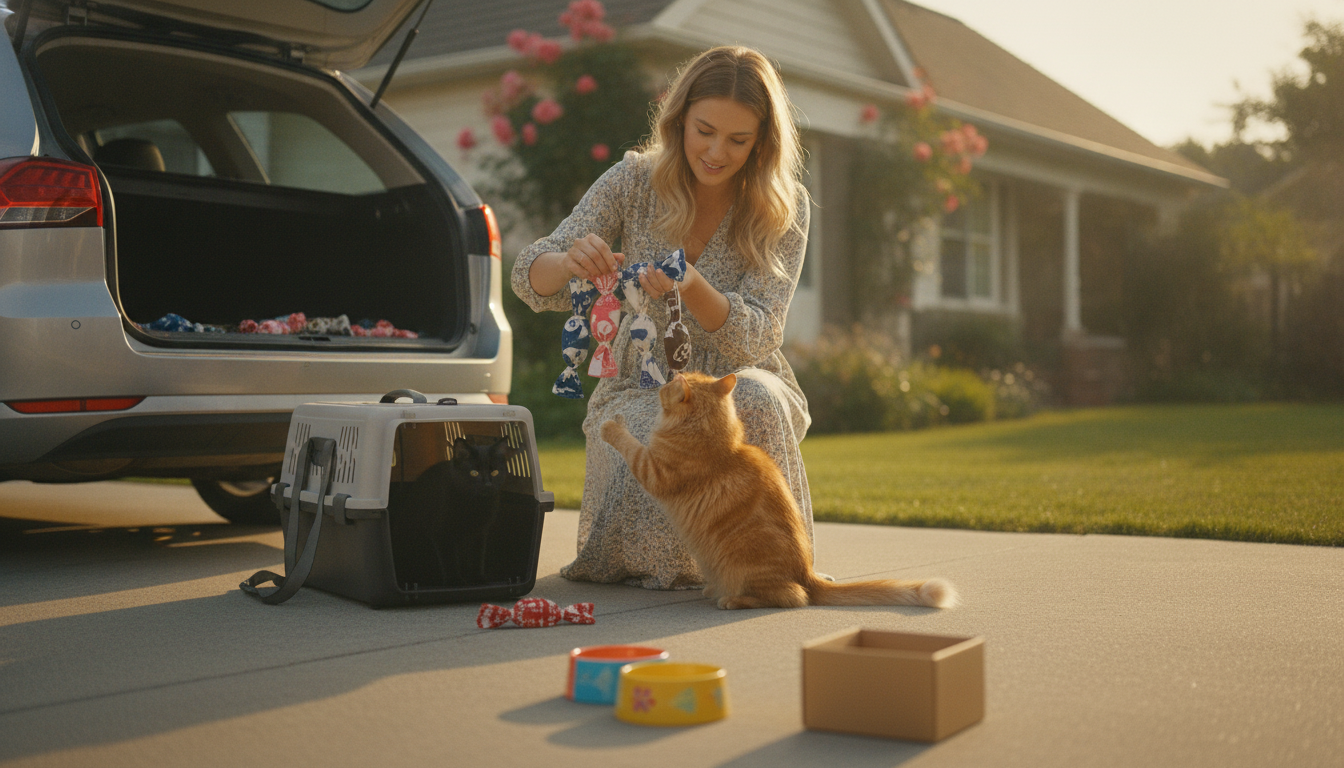
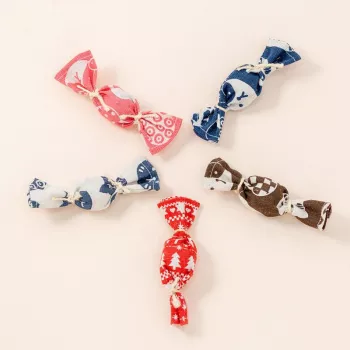
Potaroma cat toys can be safe for many cats when they’re used as intended and matched to your cat’s play style. Safety depends less on the brand name and more on the specific toy’s materials, construction, and how it’s supervised. Toys that combine catnip, crinkle layers, bells, or chewable textures can be enriching, but they also introduce small parts and seams that should be checked regularly.
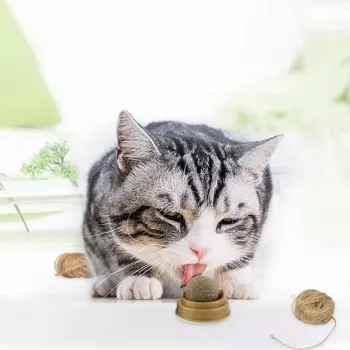
Start with a quick inspection. Look for tight stitching, reinforced seams, and securely attached attachments (bells, strings, or plush add-ons). Give the toy a firm tug—anything that loosens easily can become a choking hazard. If the toy contains catnip, make sure the fabric casing is intact so your cat isn’t ingesting loose plant material in large amounts.
The most common issues with interactive or “jingly” toys are detachable bells, long cords, and fraying fabric. If your cat is an aggressive chewer, prioritize sturdier chew designs and avoid toys with easy-to-pull threads. For toys with bells, confirm the bell is enclosed or firmly stitched in place; if it’s on a thin loop, retire the toy once that loop shows wear.
Supervised play is a simple safeguard—especially with any toy that has strings, elastic, or small hard pieces. After playtime, store the toy if your cat tends to shred and swallow bits.
Skip or limit toys with dangling parts if your cat has a history of eating non-food items (pica), frequently breaks toys open, or is a powerful chewer. Kittens and senior cats may also need softer, simpler toys that are easier on teeth and gums and less likely to splinter or crack.
For more detail on toy features like bells, textures, and catnip—plus practical tips for safer play—see the full guide here: https://estelere.com/guide-jingly-catnip-cat-chew-toy-bells-bites-play/.
Replace it as soon as you notice frayed fabric, loose stitching, cracked plastic, or a bell/string that can be pulled free. If wear shows up quickly, limit the toy to supervised sessions only and store it between playtimes.









Leave a comment