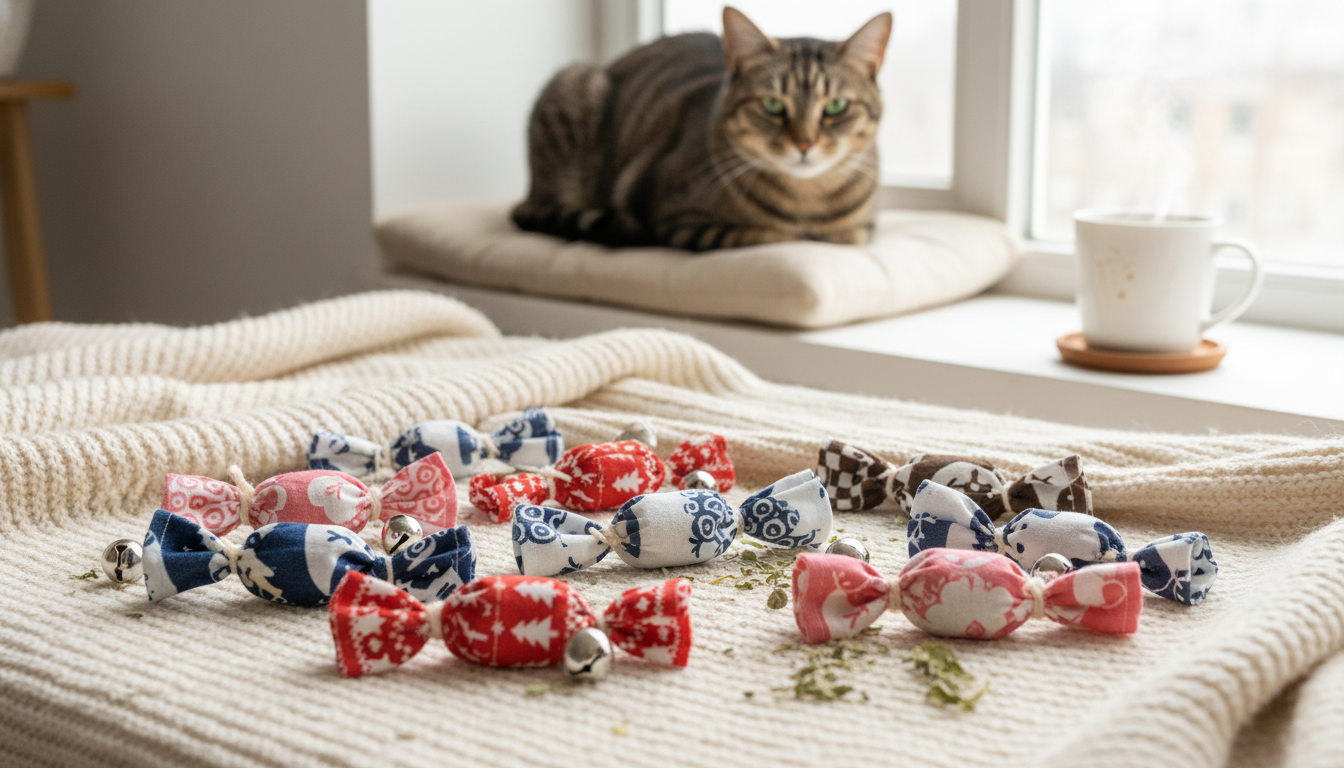
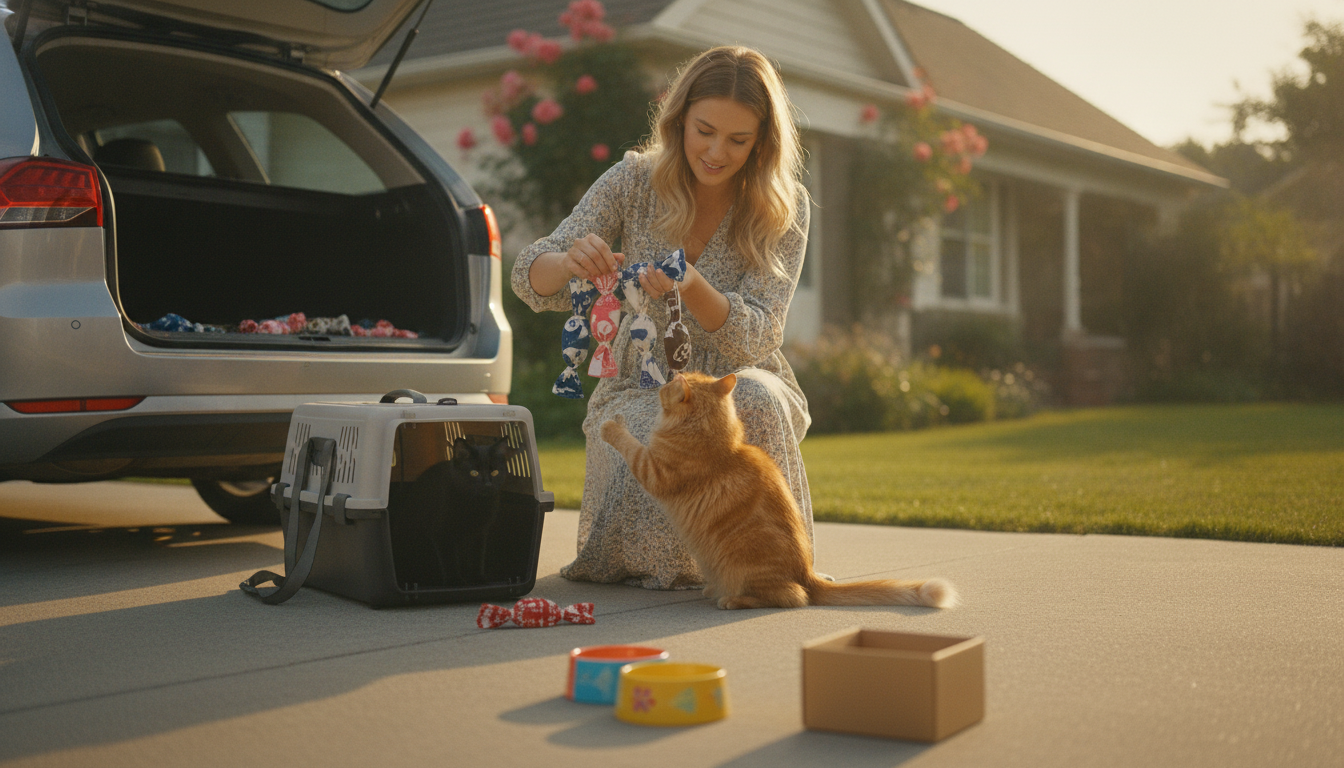
A chewable toy that also jingles and smells irresistible can turn short bursts of play into a satisfying daily routine. The combination of biteable texture, sound feedback, and catnip appeal taps into how many cats naturally like to hunt, mouth, and “win” their toys. Below is a practical guide to what this kind of toy does well, how to introduce it safely, and simple ways to keep play engaging for kittens and adult cats alike.
Cats don’t just play to burn energy—they play to practice hunting skills and satisfy curiosity. A chew toy with bells and catnip packs multiple “yes” signals into one small object, which helps your cat stay interested longer.
For deeper guidance on why varied play matters, International Cat Care offers a helpful overview of feline enrichment and play routines: https://icatcare.org/advice/playing-with-your-cat/.
Not every household uses toys the same way. The biggest win with a jingly, catnip-scented chew toy is flexibility: it can be a quick “reset” between meetings, a way to encourage movement in small spaces, or a separate option when multiple cats want to play at once.
| Best for | Why it helps | Tip |
|---|---|---|
| Cats that chew | Satisfies oral play needs | Rotate with other textures to keep interest |
| Cats that love noise | Bells reward batting and kicking | Put away during quiet hours |
| Shy or cautious cats | Catnip can boost curiosity | Start with short exposure and space to retreat |
| High-energy cats | Encourages chasing and pouncing | Pair with a short wand session to “finish the hunt” |
A new toy can flop if it shows up at the wrong time (right after a meal or when your cat is sleepy) or if it’s presented like an object instead of “prey.” A few small tweaks usually change everything.
For a quick read on typical catnip reactions (and why some cats are unaffected), the ASPCA’s overview is a reliable reference: https://www.aspca.org/pet-care/general-pet-care/catnip.
The best play is safe play—especially with toys that include small components like bells. A 10-second check before each session helps prevent most problems.
If you’d like an additional veterinary perspective on catnip’s effects and safety, VCA Hospitals explains common responses and sensible moderation: https://vcahospitals.com/know-your-pet/catnip.
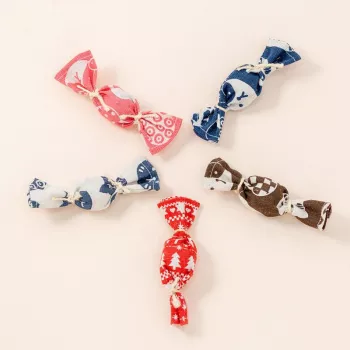
If you’re looking for a simple, low-cost enrichment option for daily indoor activity, Interactive Cat Chew Toy with Bells & Catnip is designed for batting, pouncing, and chewing, with bells for sound and catnip for added attraction. It’s most effective as part of a rotation, with periodic safety checks to keep playtime worry-free.
| Item | Details |
|---|---|
| Name | Interactive Cat Chew Toy with Bells & Catnip |
| Price | $2.01 USD |
| Availability | In stock |
| Product page | View product |
Catnip is generally safe for most cats, and the effects are usually temporary. Some cats don’t respond at all, and kittens are often less reactive; if your cat becomes overstimulated, remove the toy and reintroduce it later in moderation.
Replace it when it’s torn, the bell or parts loosen, stuffing becomes exposed, or it’s heavily soiled. Frequent inspection is especially important for cats that chew hard or try to shred fabric.
Your cat may be sleepy, full, or simply not responsive to catnip, or the scent may have faded. Try offering it during active hours, use short prey-like movements, and rotate it out for a day or two to bring back novelty.









Leave a comment