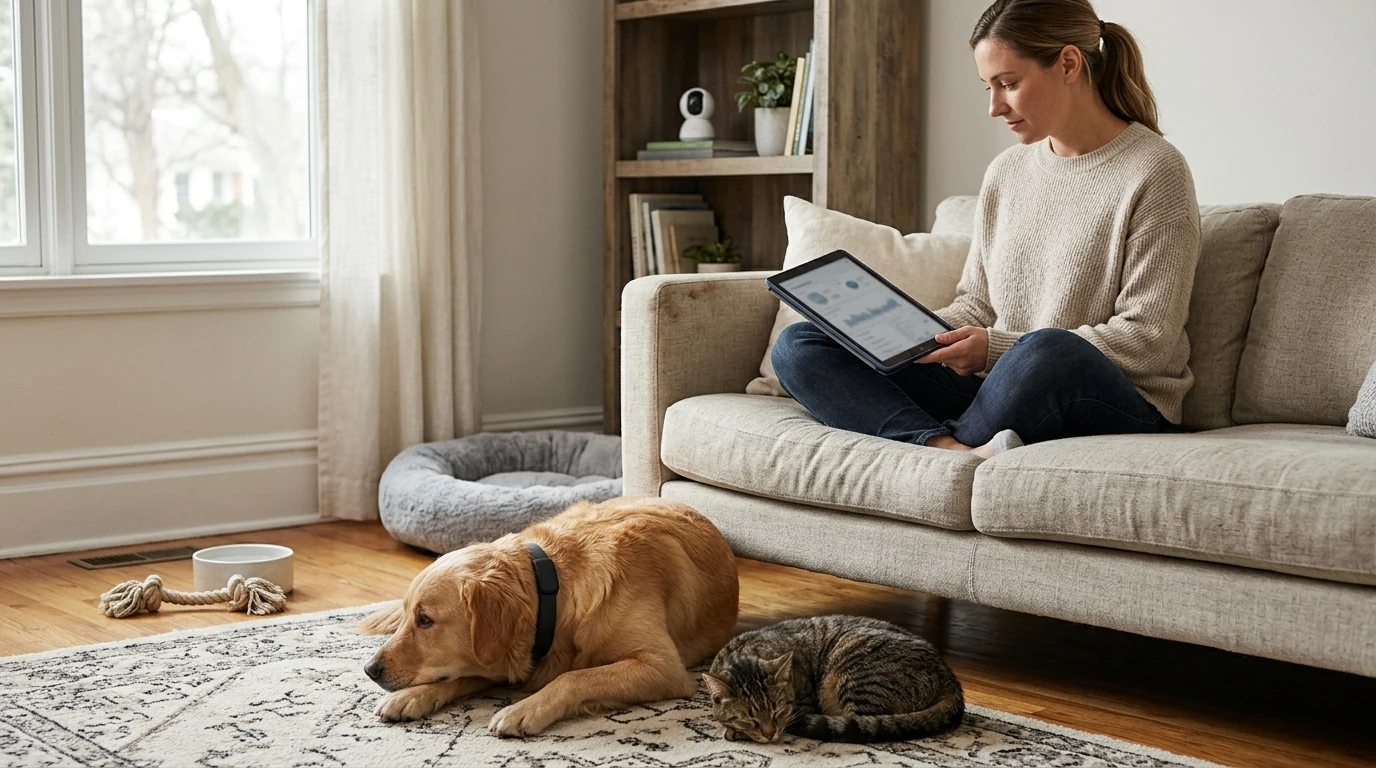
Activity patterns reveal a lot about a pet’s health, mood, and daily needs. AI-powered monitoring can help spot changes early, turn raw data into simple trends, and support more consistent routines—without replacing regular veterinary care. The goal is to notice “different for your pet” sooner, so small shifts don’t get missed in a busy week.
When AI tools track activity over time, they’re most useful as a trend dashboard. Instead of guessing whether your dog is “less energetic lately” or your cat is “sleeping more than usual,” you can see a baseline and how today compares.
Dogs and cats show wellness changes differently, but the same core categories tend to reveal meaningful shifts when tracked consistently.
| Signal in the data | What it might mean | What to check today | When to consider a vet call |
|---|---|---|---|
| Lower activity for 2+ days | Pain, illness, stress, heat, boredom | Appetite, limping, soreness, temperature/heat exposure | If paired with vomiting/diarrhea, obvious pain, or no improvement |
| Restless sleep or frequent night waking | Anxiety, itching, GI discomfort, noise changes | Skin/ears, new detergents, late meals, noise sources | If persistent or paired with ear odor, hair loss, or significant distress |
| Sudden spike in activity | Stress, lack of stimulation, hormonal changes, routine disruption | New household changes, enrichment needs, outdoor triggers | If paired with panting at rest, collapse, or unusual aggression |
| Reduced play interest | Fatigue, pain, low mood, aging | Joint stiffness, weight gain, changes in toys/space | If paired with stiffness, yelping, or refusal to move |
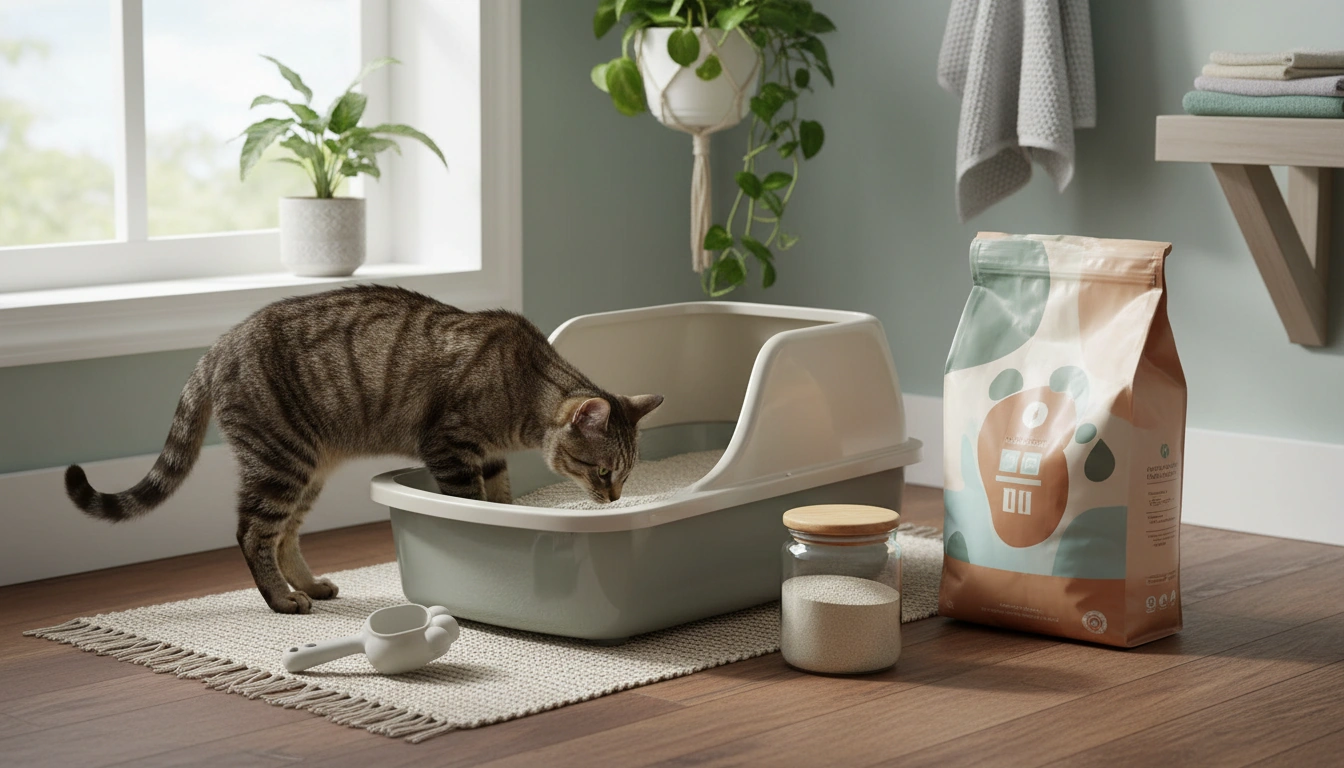
| Changes in bathroom routine | Hydration changes, stress, urinary/GI issue | Water intake, litter box cleanliness, diet changes | Urgent if straining, blood, accidents, or frequent attempts |
Most AI-based monitoring systems follow the same practical flow: collect data, learn your pet’s baseline, and notify you when patterns shift.
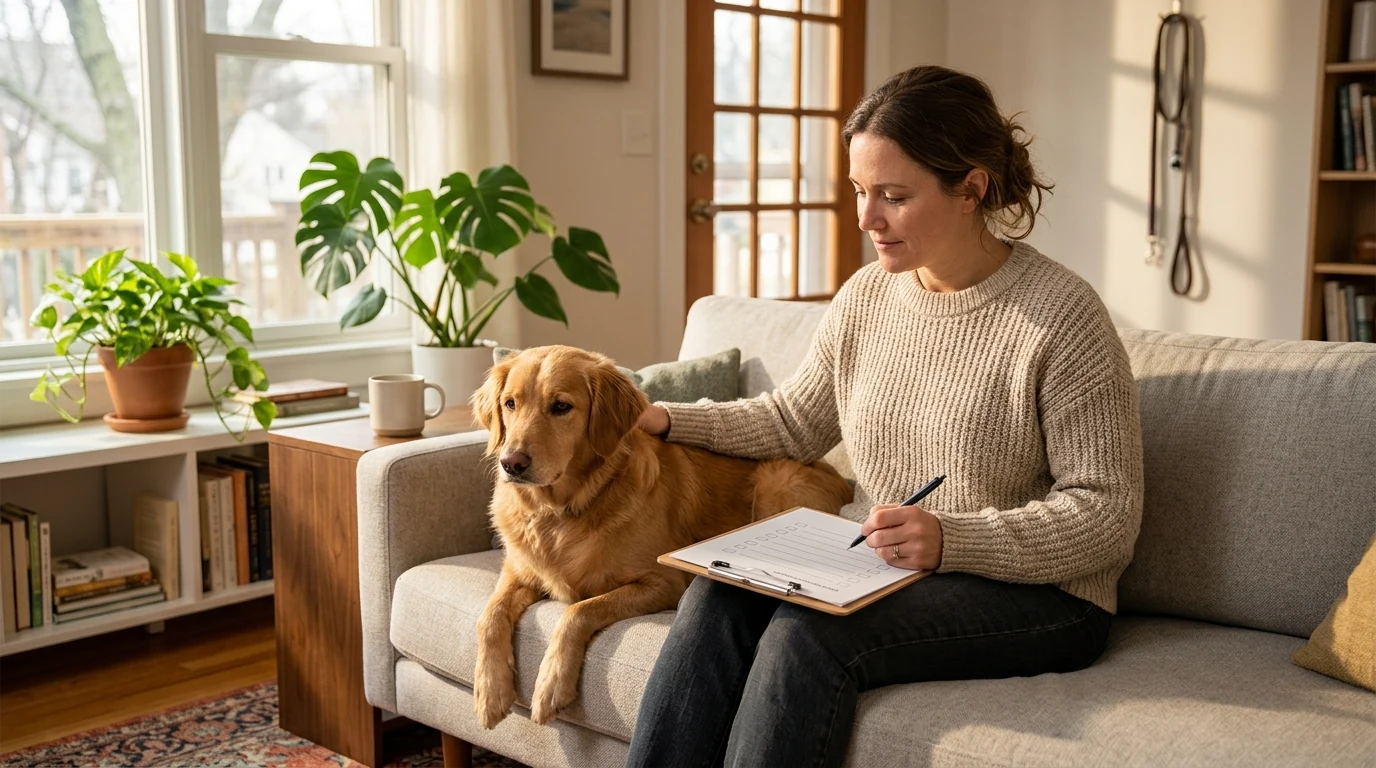
If you want a structured way to set up tracking and interpret trends without overcomplicating your routine, Using AI to Track Pet’s Activity | Digital Pet Care Guide, AI Monitoring eBook & Pet Wellness Checklist can help organize what to watch, what “normal” looks like, and how to turn data into a repeatable care plan.
Consistent feeding windows can stabilize daily rhythm and make appetite changes easier to spot. If the data shows a week of lower movement, consider trimming treat calories and prioritizing high-value rewards in tiny portions. A scheduled setup can be easier with an Automatic Pet Feeder with Tilted Double Bowls and Water Fountain to support predictable meals and encourage regular hydration checks.
Make water access obvious and convenient, especially in warm weather, after long walks, or during dry indoor heating seasons. If you see more frequent drinking or bathroom trips than usual, jot down timing and any diet changes and monitor closely. The Merck Veterinary Manual (Dog Owners) has helpful overviews of common health topics to discuss with your vet.
For hectic days, aim for the essentials: a short play burst, a calm decompression period, and a predictable bedtime routine. If controlled outings help your pet stay engaged without getting overwhelmed, a Portable Breathable Pet Backpack can support gentle exposure and routine movement for pets that do better with secure, structured trips.
Accuracy varies by device and where it’s worn or placed, but trend direction is usually more useful than any single-day number. AI tools tend to improve after they learn your pet’s baseline for a couple of weeks, making “unusual for your pet” easier to spot.
Track rest/sleep trends, routine consistency (feeding and bathroom timing), and quick notes on appetite, water intake, and behavior cues like hiding, vocalizing, or excessive licking. Pairing data with simple at-home checks often provides the clearest picture.
Seek urgent care for red flags like breathing trouble, collapse, inability to urinate/defecate, repeated vomiting, or sudden severe lethargy/lameness. For milder changes, monitor for 24–48 hours while documenting symptoms, and contact your vet sooner if multiple symptoms appear or the trend worsens.







Leave a comment