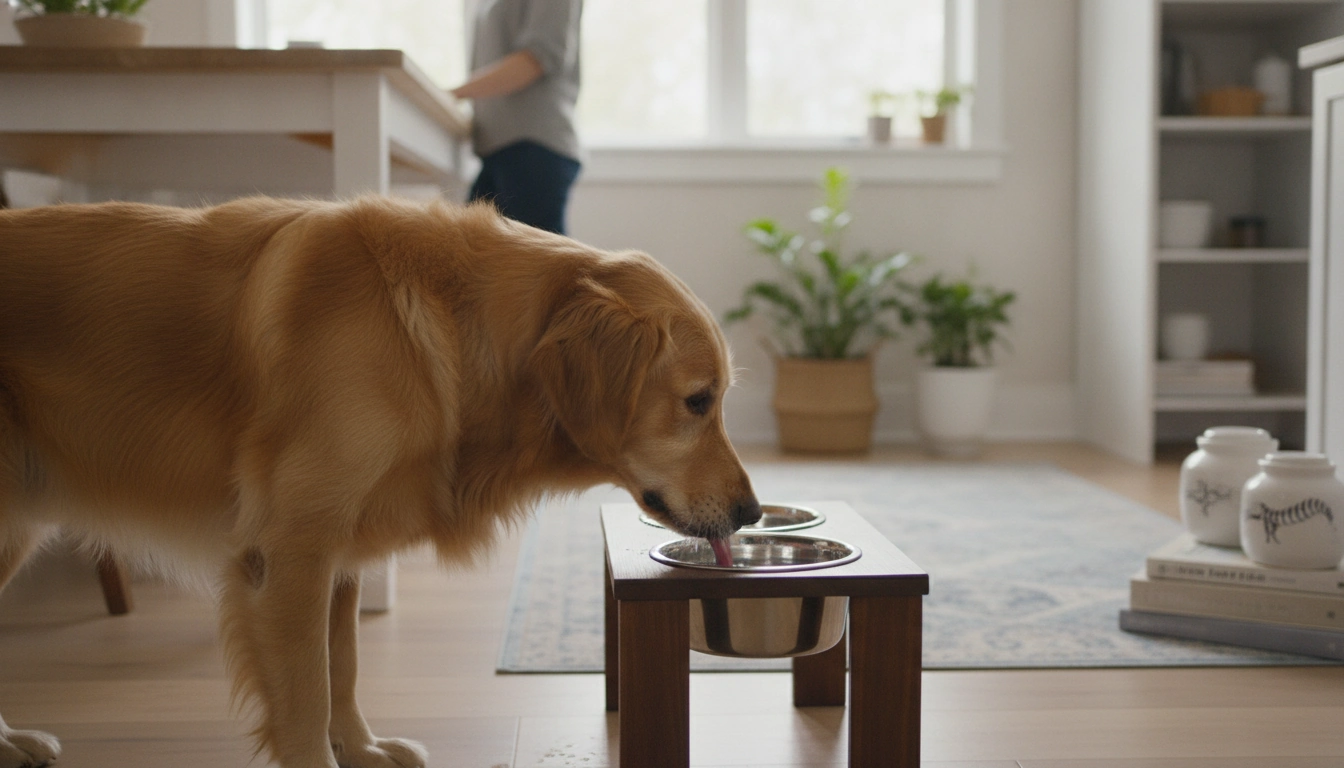
Many veterinarians are comfortable recommending elevated bowls for large-size dogs in the right situations, but it’s not a universal “yes” for every dog. The decision usually depends on your dog’s build, mobility, eating style, and any existing neck, back, or joint issues.
For tall, heavy dogs that have to splay their front legs or hunch significantly to reach a floor-level bowl, a properly sized elevated feeder may improve comfort during meals. Vets often like elevated bowls for seniors or dogs with arthritis, hip dysplasia, or spinal/neck discomfort because reducing the need to bend can make eating and drinking less stressful.
Some veterinarians are cautious about elevated bowls for certain large breeds due to the long-standing discussion around bloat (GDV). Research has been mixed and guidance has evolved, so many vets focus less on “elevated vs. floor” as a blanket rule and more on your individual dog’s risk factors and behavior at mealtime (for example, fast gulping or swallowing a lot of air).
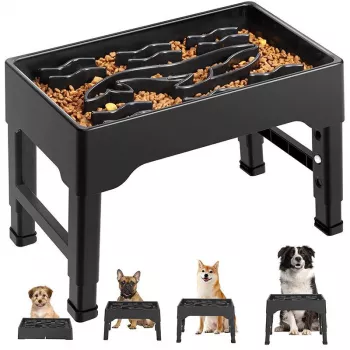
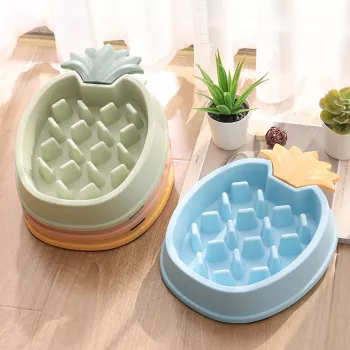
Height matters: the bowl should sit around the lower chest level so your dog can eat with a neutral neck position—no deep bending, but also no stretching upward. If your dog eats too quickly, pairing the right height with a slow-feeder design can help reduce gulping. Adjustable stands are useful because you can fine-tune the height as your dog grows or ages.
For a practical sizing-and-setup walkthrough (including adjustable elevated slow-feeder options designed for big dogs), see this guide to adjustable elevated slow feeder bowls for large dogs.
A good starting point is a bowl height that lets your dog eat with a straight, relaxed neck and minimal bending at the shoulders. Many owners aim for the bowl to sit near the bottom of the chest, then adjust based on comfort and posture.








Leave a comment