
Reward-based training helps dogs and cats repeat the behaviors that make life easier and safer. The key is clarity: reward the right thing, at the right moment, with something your pet truly values—then gradually fade rewards into real-life perks and predictable routines.
“Good behavior” isn’t a vague personality trait—it’s a set of small, repeatable actions you can notice and reinforce. The fastest progress comes from picking a handful of daily “wins” and paying for them consistently.
Rewards work best when your pet can clearly connect the behavior to the payoff. If the reward arrives late, you may accidentally reinforce the wrong thing—like the jump after the sit, or the meow after the quiet pause.
For deeper guidance on humane, reward-based methods, the American Veterinary Society of Animal Behavior (AVSAB) position statements and the American Kennel Club’s positive reinforcement overview both align on reinforcing desired behaviors instead of relying on intimidation or pain.
The “best” reward changes with the moment. What matters is what your pet will work for right now—around these distractions, at this distance, in this mood.
| Situation | Dog-friendly rewards | Cat-friendly rewards | Notes |
|---|---|---|---|
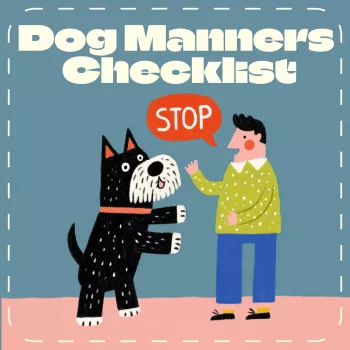
| Calm greeting / no jumping | Tiny treat, quick tug, release to greet | Treat placed on floor, wand teaser after calm | Reward calm posture; avoid petting during jumping/pawing |
| Loose-leash walking / polite hallway movement | Treat at seam, “sniff break” as reward | Treat trail to carrier/room, calm praise | Mark slack leash or calm steps before delivering |
| Settling / relaxing | Chew, lick mat, calm massage (if enjoyed) | Food puzzle, soft brushing (if enjoyed) | Start with short durations; reward frequently at first |
| Redirecting from unwanted behavior | Offer toy, reward taking it | Offer kicker toy, reward engaging with it | Reward the alternative immediately; manage the environment |
A sustainable plan isn’t about handing out treats forever—it’s about building a habit of good choices, then maintaining it with occasional paychecks and real-life privileges.
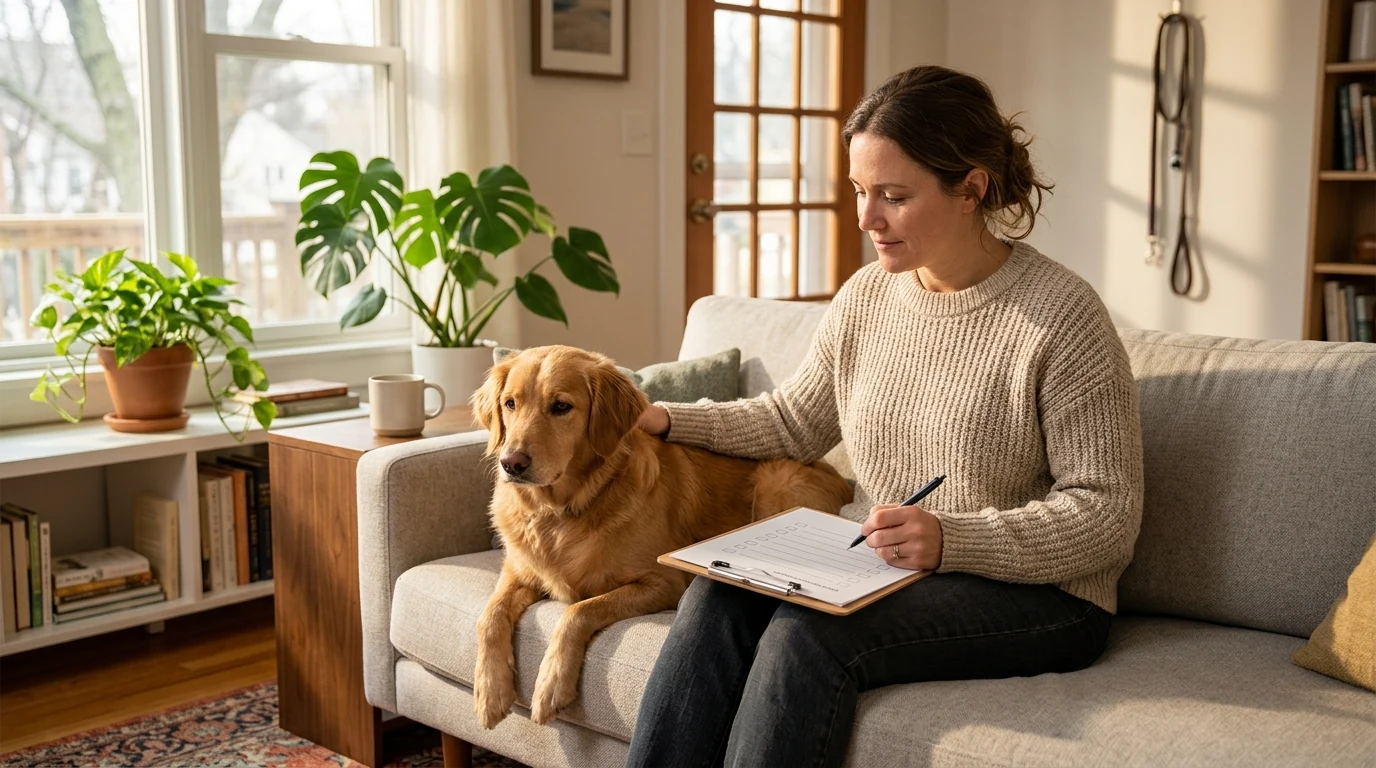
If you want a structured, printable approach you can follow day by day, A Smart Guide to Rewarding Your Pet for Good Behavior (digital training ebook) is an easy way to turn “I’ll work on it” into a simple routine.
For dogs and cats who get revved up around mealtimes, consistent feeding routines can reduce demand behaviors and make calmness easier to reinforce. An automatic pet feeder with tilted double bowls and water fountain can help you deliver predictable schedules while you focus rewards on the behaviors you actually want (quiet waiting, backing up from bowls, sitting politely).
For pets learning to feel comfortable on the go, a portable breathable pet backpack for calm, rewarded outings can create a safe “base camp” so you can reinforce quiet observation, soft body language, and steady breathing in new environments.
Within about 1–2 seconds is ideal. A clicker or a short marker word captures the exact moment, then you can deliver the treat right after without losing the connection.
For some pets and some behaviors, yes—especially after the behavior is learned. Start with higher-value rewards (often food), then gradually mix in praise, play, and life rewards while keeping reliability strong.
The learning principles are similar, but sessions should be shorter and rewards often need to be delivered faster. Many cats work best for food, play, and access to preferred spaces like perches or sunny windows.








Leave a comment