
Dogs have a unique way of making everyday life feel safer, warmer, and more connected. Below are the most-loved reasons people bond with dogs, along with gentle prompts for reflection and a printable checklist idea that helps capture what a dog brings to a home—whether it’s loyalty, laughter, or quiet comfort.
Plenty of pets are beloved, but dogs often stand out for the way they build a relationship through repeated, recognizable patterns. Those small, steady moments add up quickly.
The “big reasons” matter, but most dog owners fall in love with the tiny scenes that repeat—sometimes so quietly they’re easy to miss until you pause to name them.
Many people describe dogs as emotional anchors—steady, present, and surprisingly perceptive. While every person and every dog is different, reputable health organizations note that pets can support well-being and social connection for many households (see CDC: Health Benefits of Pets and NIH News in Health: The Power of Pets).
Reflection prompt: What does your dog do that helps the day feel “steady” again—without fixing anything, just by being there?
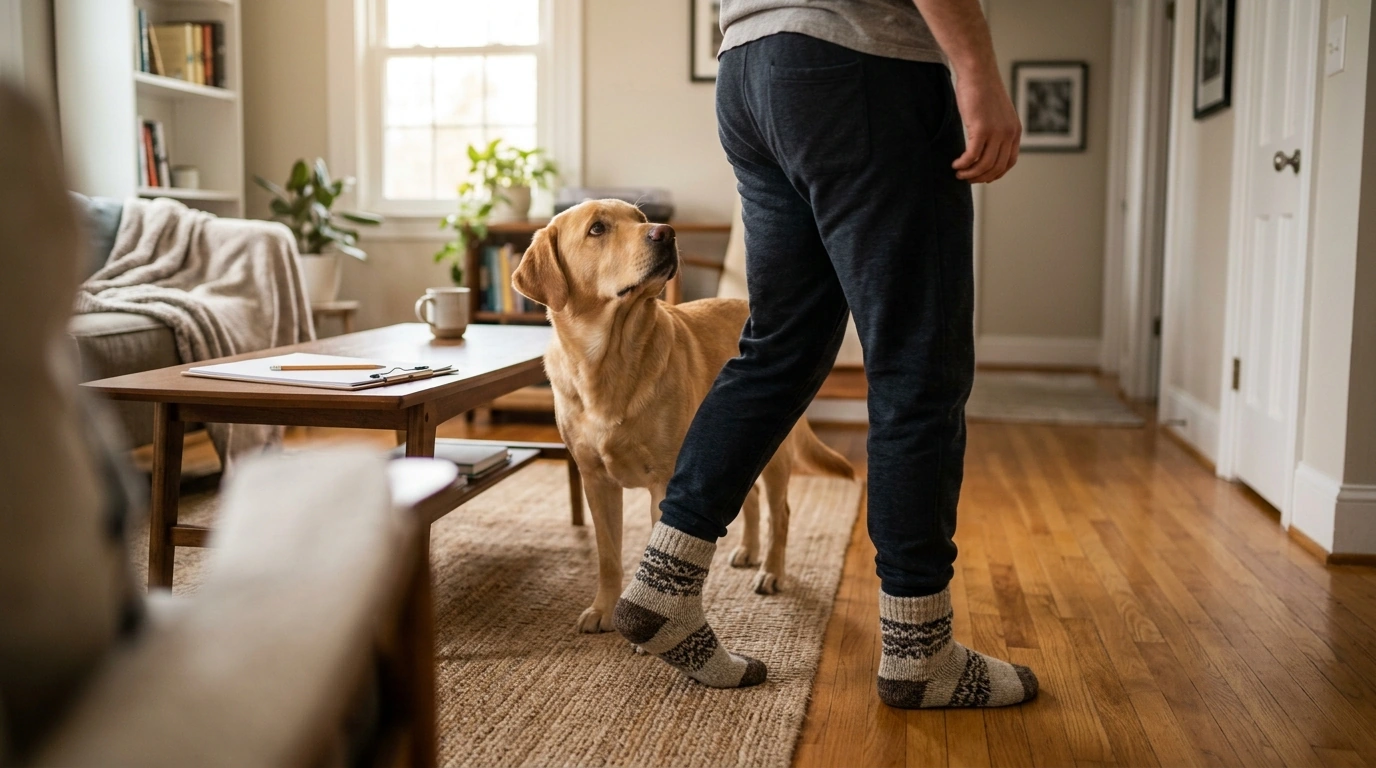
One reason dogs feel so interwoven with daily life is that many enjoy learning alongside their people. That shared effort can create a “we’re in this together” feeling that’s hard to replicate.
For approachable guidance, the American Kennel Club’s basic dog training resources are a solid starting point for building skills with kindness and consistency.
Preference is personal, and cats can be equally loving and wonderful. Still, some people find dogs align more naturally with the kind of connection they want day to day.
| Everyday Factor | What Dog Lovers Often Like | What Cat Lovers Often Like |
|---|---|---|
| Affection style | Direct greetings, following, cuddling | Subtle affection, lap time on their terms |
| Daily routine | Walks, training, outdoor time | Indoor enrichment, independent play |
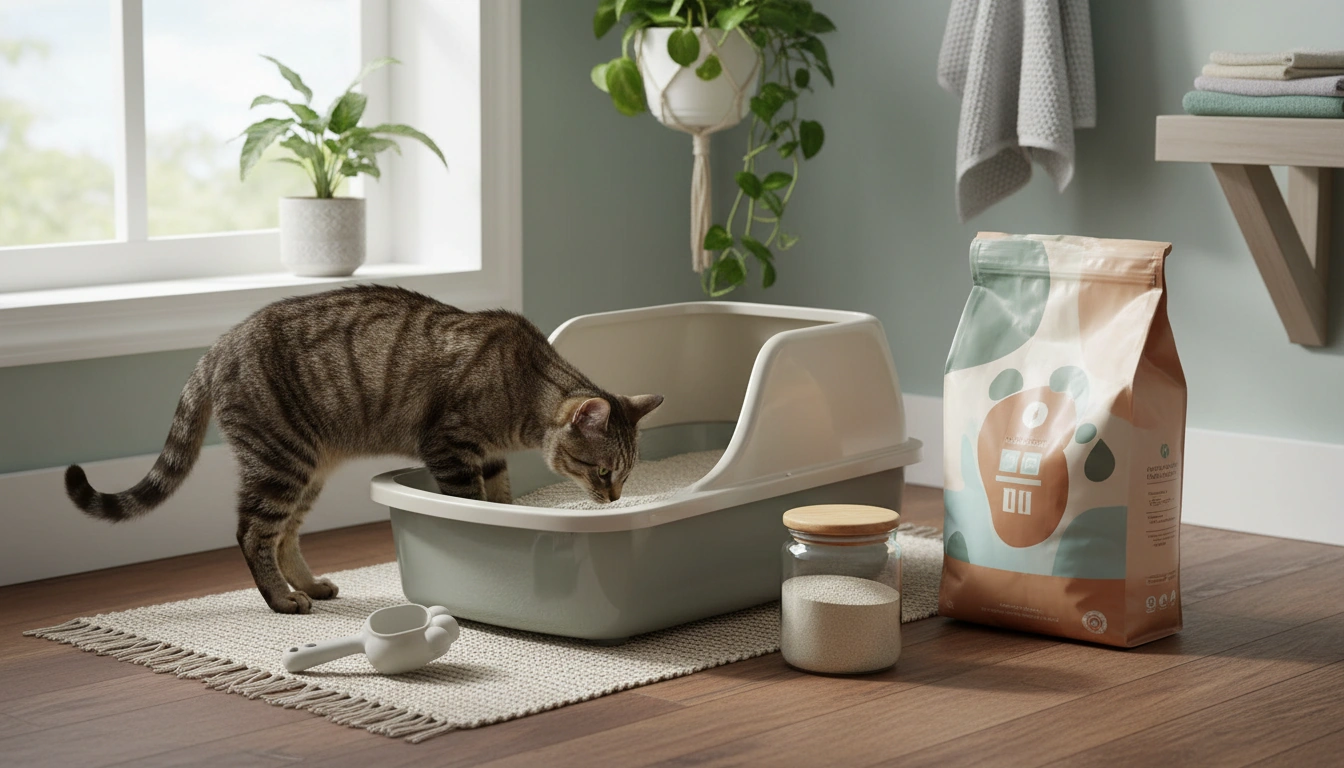
| Training focus | Cues, manners, games, tasks | Litter habits, basic cues, enrichment |
| Social connection | Often encourages outdoor social moments | Often suits quieter home routines |
| Space and activity | Often benefits from more active engagement | Often adapts well to smaller spaces (with enrichment) |
If a guided format sounds helpful, The Heartwarming Reasons People Love Dogs – Printable Checklist & Reflective Guide is designed for quick check-ins that still feel meaningful.
Two practical pairings that fit everyday dog life: the Automatic Pet Feeder with Tilted Double Bowls and Water Fountain for smoother routines, and the Portable Breathable Pet Backpack for errands, short trips, or giving small dogs a comfortable way to tag along.
Yes—it’s a thoughtful fit for birthdays, adoption anniversaries, “gotcha day” celebrations, and even memorial keepsakes. Since it can be printed at home, it’s easy to give quickly, and the reflection prompts make it feel personal rather than generic.
A reflective guide is shorter and more guided: it uses checkboxes and targeted prompts instead of daily logging. It’s designed for quick completion and revisiting over time, especially when you want meaning without a big writing commitment.
Many people report that dogs provide comfort through companionship, routine, and physical affection, and research often links pet ownership with potential well-being benefits. The experience varies by person and dog, and it works best alongside responsible care, realistic expectations, and support when needed.











Leave a comment