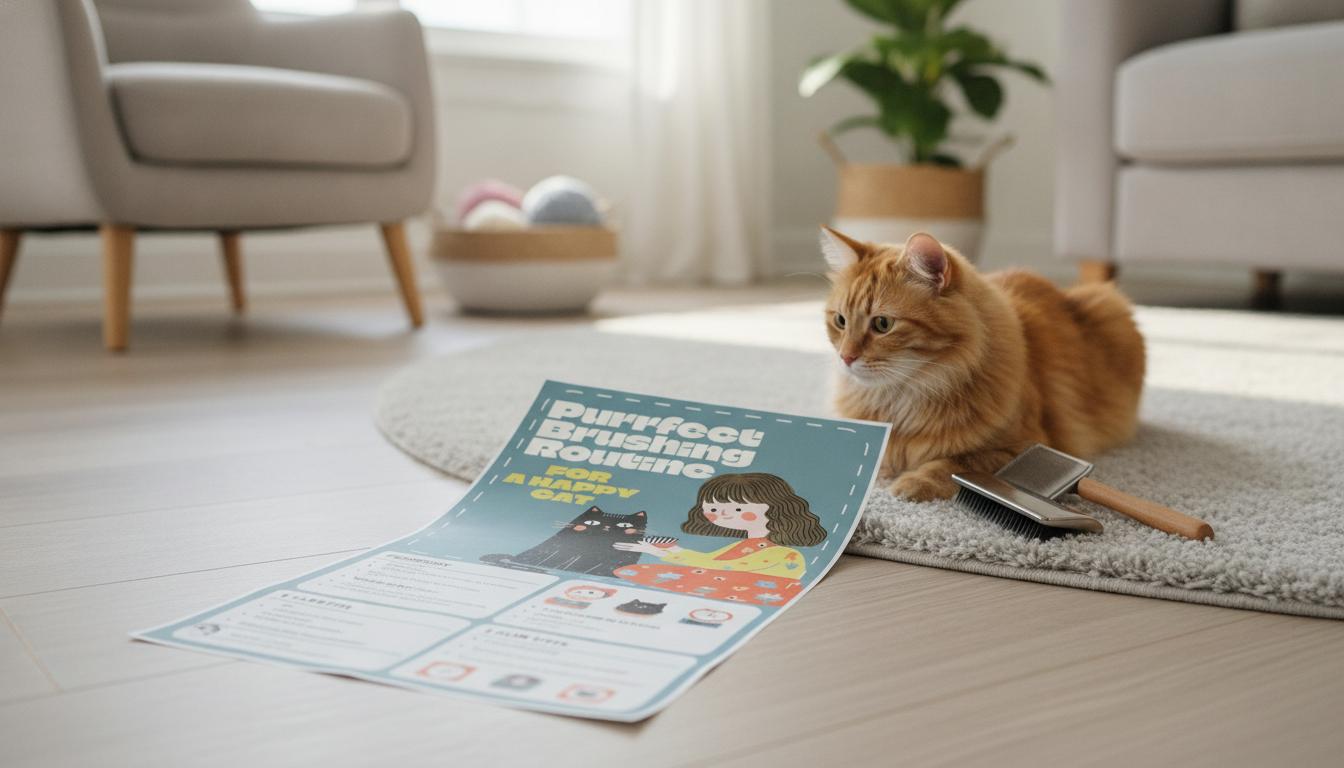
A consistent brushing routine helps reduce shedding, tangles, and hairballs while making coat care feel safe and predictable. The trick is matching frequency to coat type, season, and your cat’s comfort level—then keeping sessions short enough that your cat ends on a “that was fine” note (not a wrestling match). If you like structure, Printable Cat Grooming Checklist: The Purrfect Brushing Routine for a Happy Cat makes it easy to stay consistent and spot patterns over time. For more guidance, see Cat Grooming Tips – ASPCA.
Cats are expert self-groomers, but brushing still plays a big role in comfort and coat health—especially during shedding season or for cats with fluffier coats. Regular brushing: For further reading, see The Ultimate Guide to Cat Grooming: Frequency and Tips for Pet ….
For more on general cat grooming best practices, the ASPCA’s grooming guidance is a solid overview, and Cornell’s feline health resources are also helpful for broader care context.
The “right” schedule is the one your cat tolerates consistently. Start with a realistic baseline and add sessions only when you see shedding ramp up or feel early tangles. Use these starting points:
| Coat type | Starting schedule | When to increase | Session length |
|---|---|---|---|
| Short-haired | 1–2x/week | Visible shedding, dandruff, hairballs | 3–5 minutes |
| Medium-haired | 2–4x/week | Tangles behind ears/legs, clumping fur | 5–8 minutes |
| Long-haired | Daily | Any matting risk areas (armpits, belly, collar line) | 5–10 minutes |
| Senior/limited mobility | 2–5x/week | Greasy coat, mats near tail/hips | 3–8 minutes |
Using the right tool for your cat’s coat (and your cat’s patience) can make brushing feel quick and gentle instead of scratchy or overstimulating.
Safety note: Avoid scissors on mats. Cat skin can be pulled into the mat and cut surprisingly easily.
Many cats accept brushing more readily when it follows the same predictable “script.” Keep sessions short, especially at first, and stop while things are still going well.
If your cat is most relaxed around meal times, pairing grooming with a consistent feeding routine can help. For households that like predictable schedules, an Automatic Pet Feeder with Tilted Double Bowls and Water Fountain can support that “brush, then breakfast” rhythm—especially on busy mornings.
If hairballs are a recurring issue while shedding ramps up, brushing more often can help by removing loose fur before it’s swallowed. VCA’s overview of hairballs in cats is a useful reference for what’s normal and what’s not.
To get started quickly, keep your brush with your checklist so you’re never searching for supplies. The Printable Cat Grooming Checklist: The Purrfect Brushing Routine for a Happy Cat is designed to make those first few weeks simple and repeatable.
Yes—overbrushing or using too much pressure can irritate the skin, especially with deshedding tools. Use light strokes, limit repeated passes over the same spot, and stop if you notice redness or discomfort.
Start with 30–60 second sessions using a soft brush or grooming glove, reward calm behavior, and end before agitation. Gradually increase time and introduce a comb only after your cat is comfortable.
Coat type matters more than lifestyle. Indoor cats still shed and can mat, while outdoor cats may need more frequent checks for debris, tangles, and parasites.












Leave a comment