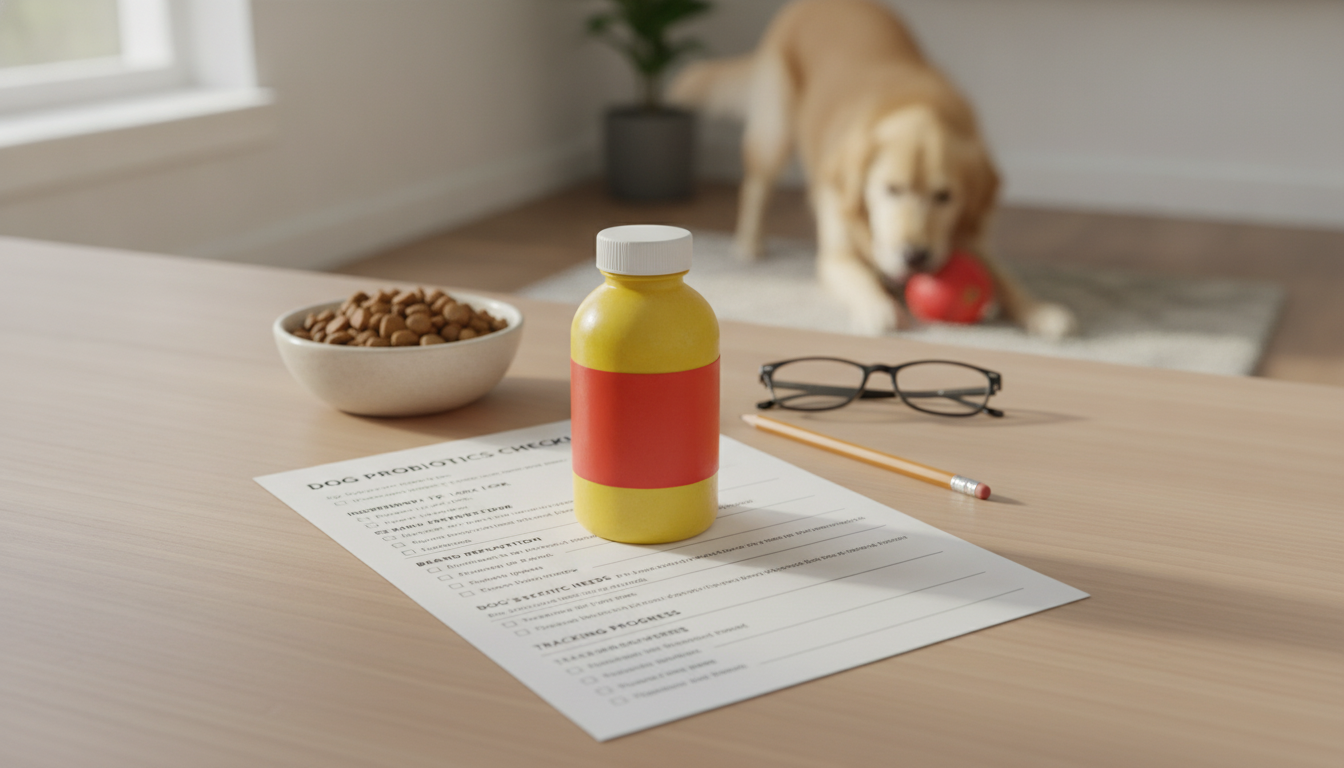
Probiotics can support a dog’s digestive health, stool quality, and recovery after stress or antibiotics—but only when the product and plan fit the dog. The goal is simple: pick a well-made product, introduce it thoughtfully, and track results long enough to know whether it’s actually helping. Use the practical checks below to shop smarter, avoid common label traps, and make changes you can measure.
Probiotics are live microorganisms intended to support a healthy gut microbiome when given in adequate amounts. In dogs, the “right” probiotic is less about hype and more about strain clarity, reliable dosing, and a plan that matches your dog’s situation.
Prebiotics are different: they’re fibers that feed beneficial microbes already living in the gut. Many products combine both probiotics and prebiotics; these combos are often called synbiotics.
A probiotic is not a cure-all. Results depend on the specific strains used, the dose delivered, the dog’s underlying needs, and product quality (including storage and shelf-life stability). And some digestive problems aren’t “supplement problems” at all—parasites, pancreatitis, foreign bodies, and endocrine disease require veterinary diagnosis and treatment rather than DIY trial-and-error.
Probiotics are most useful when the situation is mild, predictable, or part of a broader plan. Common examples include occasional loose stool, mild gas, inconsistent stool quality (after urgent causes are ruled out), and sensitive stomachs that flare with new treats or environmental changes.
They’re also commonly used during or after antibiotics, but timing is important—many veterinarians recommend spacing probiotics away from antibiotic doses and continuing for a short period after the course ends. For stress-related changes (travel, boarding, routine disruptions), starting a few days ahead of time can be easier than trying to “catch up” once symptoms show up.
| Situation | Why it matters | Next step |
|---|---|---|
| Blood in stool or black/tarry stool | May indicate bleeding or serious GI disease | Seek veterinary care promptly |
| Repeated vomiting, severe lethargy, or dehydration | Risk of rapid decline, especially in small dogs/puppies | Urgent veterinary evaluation |
| Puppy with diarrhea | Higher risk of parasites, viruses, dehydration | Call veterinarian; bring stool sample |
| Known immune suppression or serious illness | Some probiotics may be inappropriate without supervision | Vet-guided selection only |
When two products both say “supports digestion,” the label details are what separate a confident buy from a gamble.
For broader nutrition and supplement guidance, review the WSAVA Global Nutrition Guidelines. For veterinary reference material on prebiotics/probiotics, the Merck Veterinary Manual is a useful starting point.
| Checklist item | What to look for | Notes to write down |
|---|---|---|
| Strains listed | Full strain names (e.g., Lactobacillus species + strain code) | Strains: |
| CFU count | CFUs stated at expiration | CFUs at exp: |
| Expiration date | Clearly printed; avoid short-dated purchases | Exp date: |
| Storage | Refrigerated or shelf-stable; protection from heat | Storage: |
| Intended use | Dog-specific guidance and dosing instructions | Use case: |
| Quality signals | Lot number, testing info, reputable manufacturer | Lot/testing: |
| Ingredients | No triggers for allergies/sensitivities | Triggers: |
Instead of rotating products frequently, match one well-chosen probiotic to one clear goal.
| Day | Dose | Stool quality | Gas/bloating | Itch/ears | Notes (diet, treats, stress) |
|---|---|---|---|---|---|
| 1 | |||||
| 2 | |||||
| 3 | |||||
| 4 | |||||
| 5 |
To keep it simple, use Printable checklist and guide: Probiotics for Dogs Done Right and pair it with a short tracking log so product choice connects to real outcomes.
If your dog refuses supplements, mix them with a small amount of wet food, broth, or a favorite topper so the full dose is reliably eaten. For households with irregular feeding times, a steadier routine can also simplify supplement timing—an Automatic pet feeder with water fountain for a steadier daily routine can help keep meals predictable, which makes it easier to evaluate whether the probiotic (not the schedule) is driving changes.
For general GI disease guidance and when to seek care, the AVMA is a helpful reference hub.
Stool changes in mild cases are often noticeable within 1–2 weeks. For a fair evaluation of overall response, track consistently for 2–4 weeks while keeping diet and treats as steady as possible.
Many dogs can take an appropriate probiotic daily if they tolerate it well and the product is made for dogs. For long-term use—especially with chronic conditions or immune-compromised dogs—confirm the plan with a veterinarian.
Sometimes, but timing matters. Many veterinarians recommend spacing probiotics several hours away from antibiotic doses and continuing for a short period after the antibiotic course ends.













Leave a comment