
Overgrown nails can cause discomfort, change posture, snag on fabrics, and make everyday walks or play less enjoyable. A sturdy, sharp pair of clippers paired with a calm routine helps deliver clean trims with less splitting and less stress for pets and owners alike. For first-timers, it also helps to learn the basics from trusted pet-care references like the American Veterinary Medical Association (AVMA) and practical trimming guidance from the American Kennel Club (AKC).
For many dogs, a good rule of thumb is that nails shouldn’t loudly “click” on hard floors. For cats, nails that snag blankets or get caught during play are a sign it’s time for a tidy trim.
A “professional” feel is less about fancy extras and more about control: the clipper should close smoothly, cut predictably, and stay comfortable in your hand so you can take small, careful snips without rushing.
If the goal is simple, consistent maintenance at home, a reliable pair of clippers makes the routine easier to repeat (and consistency is what helps most pets relax over time). The Professional Pet Nail Clippers are designed for controlled trimming sessions with a secure grip and dependable cutting action.
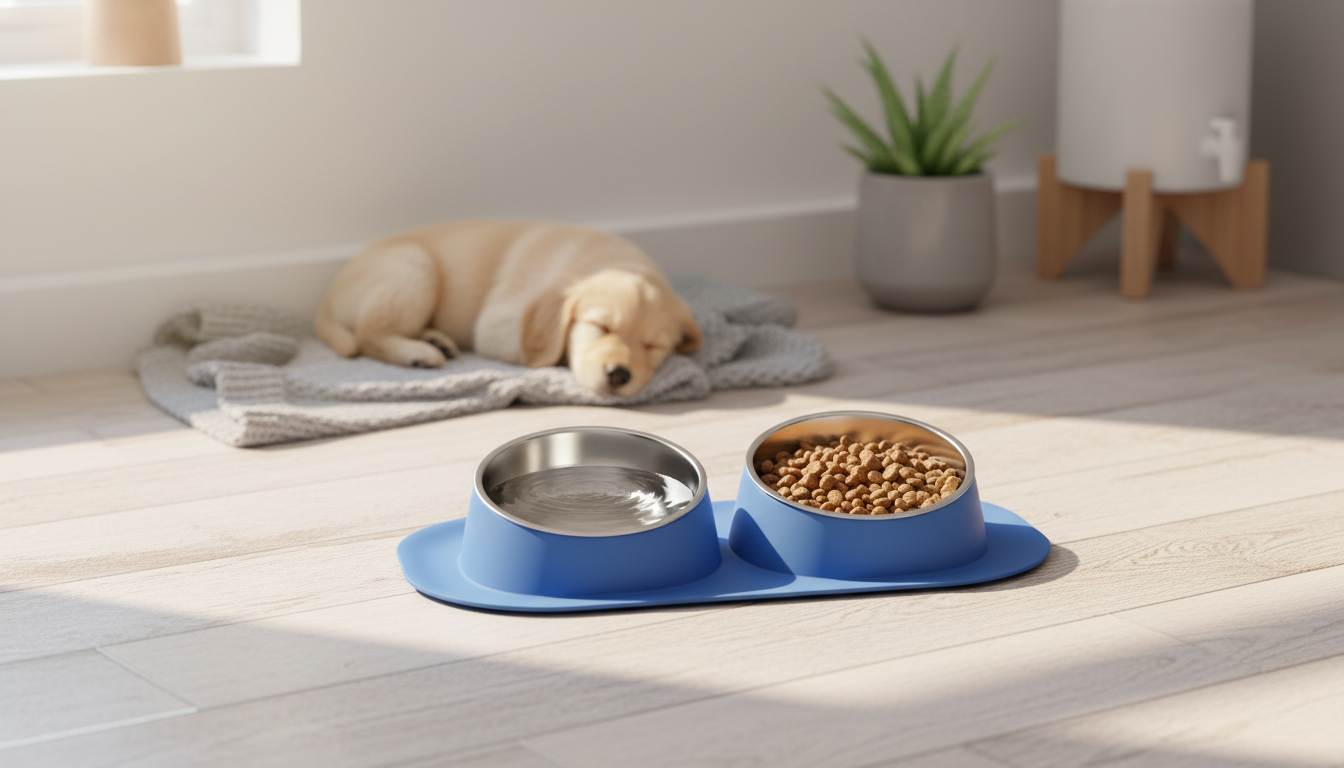
After the trim, a calm reset helps keep the grooming “vibe” positive. Something as simple as refreshing water in a dedicated bowl can become part of the routine—many pet parents like keeping supplies together near the grooming area, such as the Ceramic Peach Heart Pet Bowl for quick post-groom hydration.
| Decision | Safer default | Why it helps |
|---|---|---|
| How much to trim | Small slivers at a time | Reduces the chance of hitting the quick and keeps pets calmer |
| Trim frequency | More often, less taken off | Encourages the quick to recede gradually and avoids big stressful sessions |
| Pet positioning | Stable surface + gentle restraint | Improves control and prevents sudden jerks |
| When nails are dark | Use bright light and trim conservatively | The quick is harder to see; slower trimming lowers risk |
| If the pet is anxious | One paw per session if needed | Builds positive associations without forced handling |
For many pets, shorter sessions beat marathon trims. If attention spans run out, stop early and pick up again tomorrow—your pet still “wins” by ending on a calm note.
Many pets do well with trims about every 2–4 weeks, but it depends on growth rate, activity level, and the surfaces they walk on. For dogs, clicking on hard floors is a common sign nails are too long; for cats, frequent snagging on fabric is a helpful clue.
Use a bright light and trim tiny slivers rather than taking a large cut. Stop when you see a darker center dot or a change in the nail’s interior texture, and consider getting a groomer or vet demo if you’re new to trimming black nails.
Apply styptic powder (or cornstarch) with gentle pressure and keep your pet calm and still for a moment. If bleeding doesn’t stop after several minutes or your pet seems significantly painful, contact a veterinarian.










Leave a comment