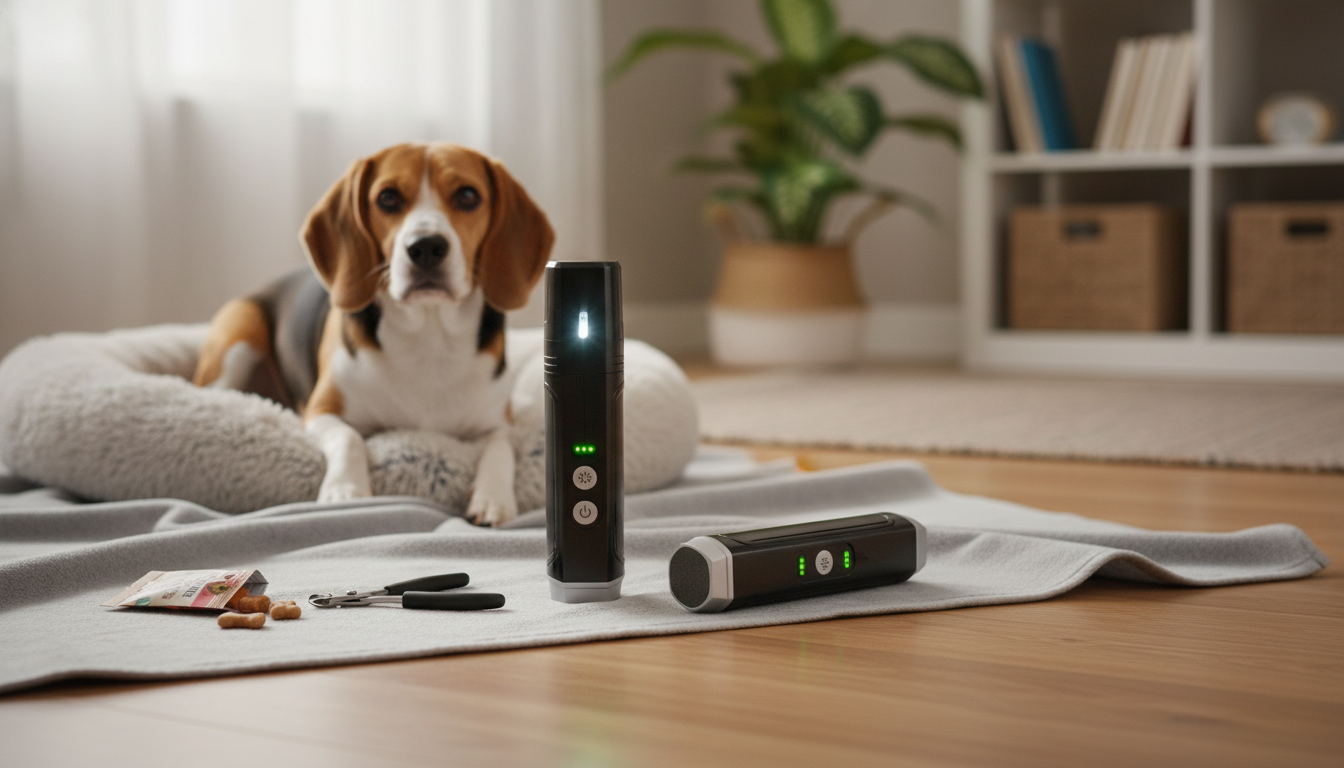
Keeping nails neatly trimmed helps reduce scratching, snagging, split nails, and discomfort when pets walk or jump. A powered nail grinder with an LED guide can make trimming feel more controlled by helping you see the nail tip and work in small, gradual passes—especially useful for pets that dislike traditional clippers. This guide covers what to look for, how to use it safely, and how to build a calm nail-care routine at home.
Nails that grow too long don’t just look untidy—they can affect comfort, movement, and even confidence on slippery floors. Regular maintenance also makes each session quicker, since you’ll be taking off less length each time.
For general pet-care guidance and preventive routines, reliable references like the American Veterinary Medical Association (AVMA) and American Animal Hospital Association (AAHA) can help you recognize when it’s time to consult a professional.
An LED-lit grinder is designed to make nail work more gradual and visible—two things that matter when you’re trying to keep your pet calm and avoid the quick. Many pet parents like a combo approach: clip a little when needed, then grind for a smooth finish.
| Situation | Grinder | Clipper |
|---|---|---|
| Pet has sharp nail tips that snag fabric | Smooth and round the tip gradually | May leave a sharper edge unless filed/grinded after |
| Pet is anxious about sudden pressure | Often easier with short, low-pressure passes | Fast, but the “snap” sensation can startle some pets |
| Nails are mildly overgrown | Good for gradual reduction and shaping | Can remove length quickly; finish with grinder for smoothness |
| Dark nails where the quick is hard to see | LED + small passes help reduce risk | Requires extra caution; small clips only |
A good grinder is less about “power” and more about control. Look for features that help you maintain a steady angle, adjust speed, and keep sessions brief.
If you’re looking for an at-home option that supports controlled trimming, consider the Electric Pet Nail Grinder with LED Light – Professional Nail Clippers.
Slow, predictable steps reduce stress for both you and your pet. Aim for “easy wins”: tiny improvements per session, then stop while your pet is still calm.
For additional guidance on safe trimming technique, the American Kennel Club’s nail trimming guide is a helpful reference.
For pets who need extra encouragement, adding positive distractions can make grooming time smoother—try saving a favorite toy for nail-day, like the Interactive Cat Chew Toy with Bells & Catnip. Hydration and comfort routines can also support calmer downtime before grooming, and a circulating fountain such as the LED Cat Water Fountain can be a simple upgrade for many cats.
Yes, when used with short, gentle passes on a low speed and with gradual acclimation. Avoid holding the grinder on the nail too long to prevent heat buildup, and stop early if your pet becomes stressed.
Many pets do well with maintenance about every 1–2 weeks, but it varies by growth rate, activity level, and whether they’re mostly indoors. If you hear nails clicking on hard floors, it’s often time for a trim.
Stay calm and apply styptic powder (or cornstarch) with gentle pressure for a short period while keeping your pet still. Contact a veterinarian if bleeding doesn’t stop promptly or if the nail appears significantly injured.










Leave a comment