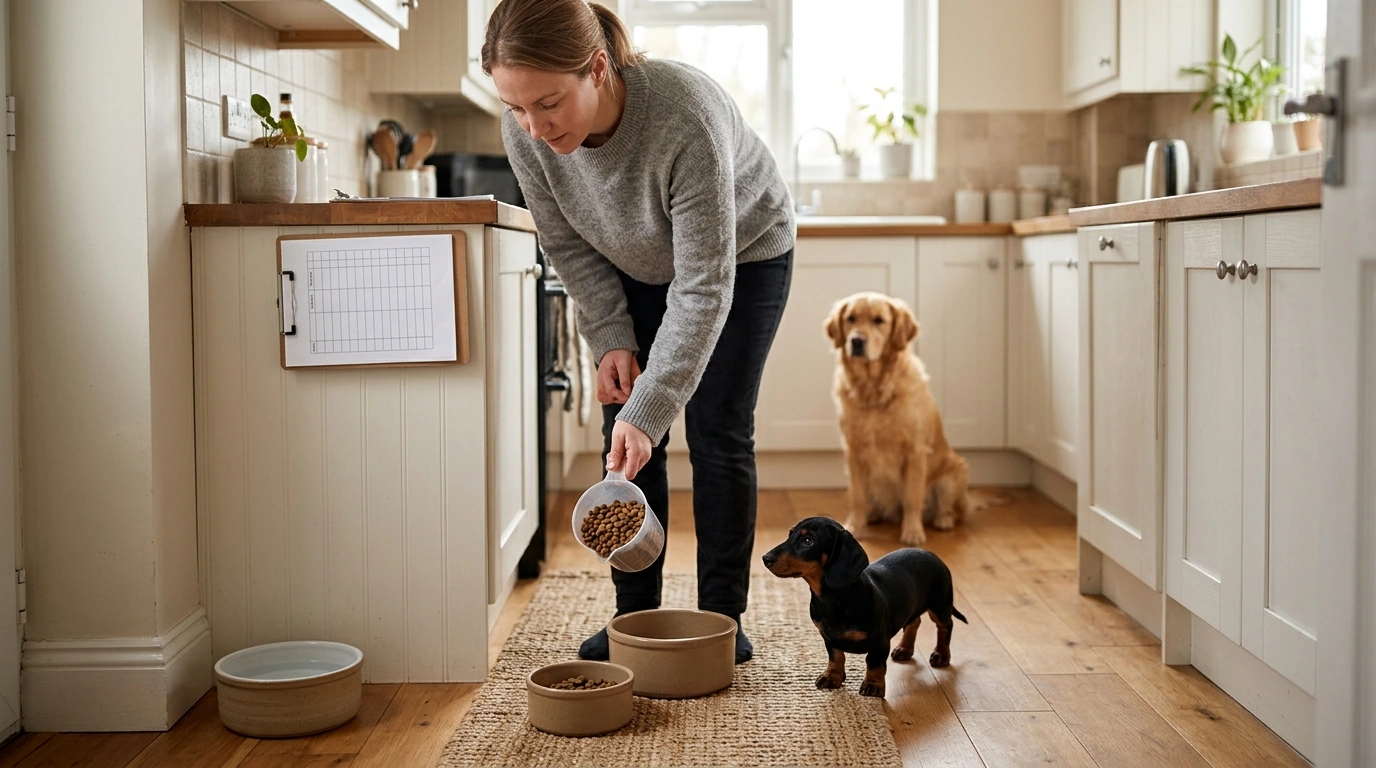
A consistent feeding routine supports digestion, energy levels, training, and bathroom predictability—especially during the first weeks with a new dog. A simple daily rhythm also reduces guesswork: you’ll know when your dog should be hungry, when potty breaks are most likely to pay off, and when something feels “off.” Below is an easy, beginner-friendly approach to meal timing for puppies and adult dogs, plus what to track and how to adjust for age, activity, and life changes.
For new puppies, routine often matters as much as food quality. Many dogs settle faster when their day has repeatable anchors: breakfast, play, potty, quiet time, dinner, and one last trip outside.
If you’re unsure where to start, reputable overviews like American Kennel Club: Puppy Feeding Fundamentals can help frame the basics while you customize timing for your household.
Puppies burn energy quickly and have smaller stomachs, so more frequent meals are usually easier on digestion and behavior. Keep meal times consistent, but don’t stress about perfection—aim for a steady pattern most days.
| Dog stage | Meals per day | Example meal times | Routine checkpoints to track |
|---|---|---|---|
| Puppy (8–12 weeks) | 4 | 7:00, 11:00, 3:00, 7:00 | Appetite, stool quality, water intake, post-meal potty |
| Puppy (3–6 months) | 3 | 7:00, 1:00, 7:00 | Weight trend, training treats used, energy level |
| Adolescent (6–12 months) | 2–3 | 7:00, 6:00 (optional midday) | Body condition, growth pace, chewing/“snack” seeking |
| Adult dog | 2 | 7:00, 6:00 | Body condition score, activity changes, appetite consistency |
If your schedule is unpredictable, an automatic feeder can help keep meal timing steady. Consider the Automatic Pet Feeder with Tilted Double Bowls and Water Fountain to support consistent portions and regular water refills during busy stretches.
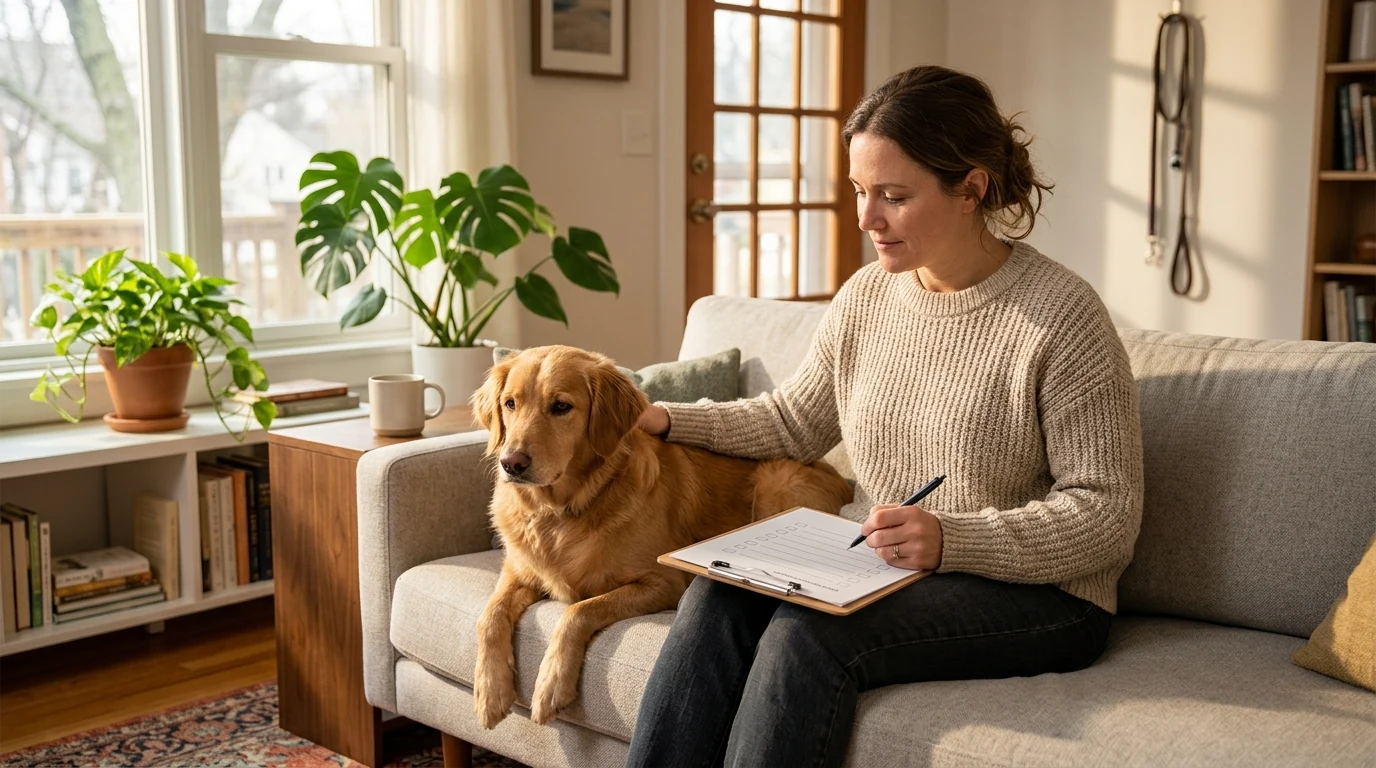
Tracking doesn’t have to be intense. A few quick notes can make patterns obvious—especially when you’re working on potty training, switching foods, or figuring out whether a new treat is causing stomach trouble.
For a simple one-page tracker you can print or keep on your phone, use the Beginner’s dog feeding schedule checklist (printable digital download) to log meal times, portions, water, and daily notes in one place.
General nutrition guidance for dog owners is also summarized in resources like the Merck Veterinary Manual: Nutrition in Dogs.
Most puppies do best with more frequent meals: 8–12 weeks often need 4 meals/day, 3–6 months often do well with 3 meals/day, and many dogs move toward 2 meals/day around 6–12 months. Individual needs vary by breed, size, and health, so follow veterinary guidance if you’re unsure.
Two meals per day is common because it supports steady energy, easier portion control, and more predictable potty timing. Some adult dogs can do fine with once-daily feeding, but twice daily often helps reduce hunger-driven behaviors; medical conditions may require a specific plan from a veterinarian.
Consistent meal times often lead to more predictable bowel movements, which makes it easier to plan potty breaks and reward success. Taking a puppy out shortly after meals and tracking patterns can speed up learning and reduce indoor accidents.










Leave a comment