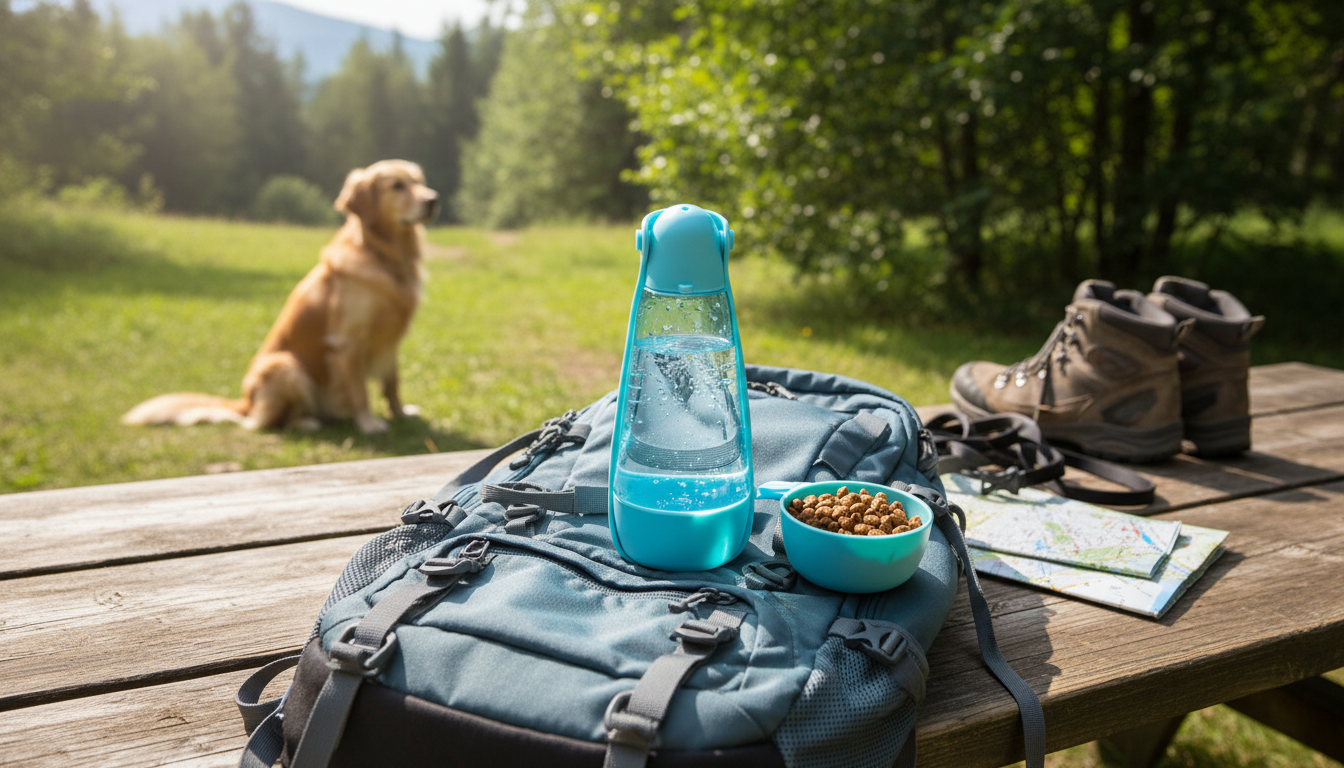
A portable dog water bottle makes it simple to offer clean water during walks, hikes, and travel without juggling a separate bowl or trying to pour into your hand. With the right design, quick water breaks feel effortless during neighborhood strolls, road trips, park days, and warm-weather adventures—while helping reduce spills and wasted water.
Dogs can need more water when temperatures climb, exercise ramps up, or the air is dry. Having clean water on hand supports safer outings and can help reduce the risk of overheating—especially for dogs that pant heavily or take time to cool down. For hot-weather safety guidance, see resources from the American Veterinary Medical Association (AVMA) and VCA Animal Hospitals.
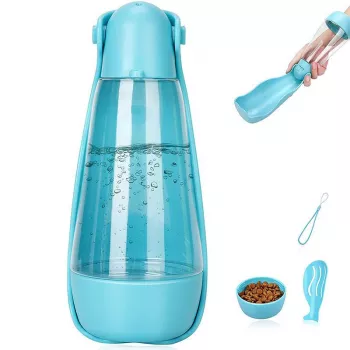
Unlike a standard disposable bottle, a dog-specific bottle typically includes a built-in drinking tray or leaf-style cup that lets your dog drink in a more natural posture. Controlled dispensing also helps prevent puddles in the car, on sidewalks, or on the trail—and a single all-in-one item is easier to grab than packing a bottle plus a separate bowl.
A simple button, slider, or squeeze mechanism is a big deal when one hand is holding a leash, keys, or a door. Faster water breaks also mean less time standing on hot pavement or in direct sun.
A wider cup surface helps dogs drink comfortably and can encourage better intake, especially for dogs that won’t lap from a tiny opening. If your dog is hesitant with new gear, a tray-style cup often feels more familiar than a narrow spout.
Look for a locking switch or a tight seal that keeps water from dripping in a backpack, tote, or car cup holder. A good lock is especially helpful if the bottle gets tipped sideways during travel.
Some bottles let unused water drain back into the reservoir. This can cut down on waste during long outings when you’re pacing water stops. If a bottle doesn’t support return flow, it’s usually better to discard leftover water from the cup rather than pour it back in.
Simpler designs with fewer crevices are easier to wash thoroughly. Removable parts and food-safe materials can make routine cleaning faster and help reduce lingering odors.
Capacity should fit your routine, your dog’s size, and the conditions. A smaller bottle is easier to carry for quick neighborhood walks, while a larger capacity can reduce refill stops on longer adventures. Cup size matters too: small dogs may prefer a smaller cup opening, while larger dogs often do better with a wider tray so they can drink efficiently.
The best choice is the one you’ll actually bring. A huge bottle that stays in the car is less useful on the trail, while an ultra-compact bottle may not keep up on a hot hike.
| Use case | Best capacity range | Cup style | Carry preference |
|---|---|---|---|
| Neighborhood walk | Small–medium | Compact integrated cup | Hand strap or pocket-friendly |
| Park day/training | Medium | Wider cup for repeat sips | Clip or sling option |
| Hike/travel | Medium–large | Wide cup + lock | Carabiner/backpack carry |
As a general safety note, watch for signs your dog needs a break—slowing down, seeking shade, heavy panting, or reluctance to continue. For additional hot-weather precautions, the ASPCA’s hot weather safety tips are a helpful reference.
If you want a simple all-in-one option for walks, travel days, and outdoor breaks, the Portable Dog Water Bottle is built for quick, one-handed water access with less mess. A practical routine is keeping one by the leash or in the car so it’s ready for spontaneous outings.
For multi-pet households, steady at-home hydration can also help support your routine between adventures. The LED Cat Water Fountain can be a convenient way to encourage regular drinking at home, so outdoor water breaks are more about topping off than catching up.
Offer small sips regularly, especially in warm weather or during exertion. Increase frequency with heat, humidity, and intensity, and use heavy panting, slowing down, or seeking shade as cues to pause and offer water.
Some designs allow draining the cup back into the bottle to reduce waste. If your bottle doesn’t support return flow, discard leftover water from the cup to help keep things cleaner—especially on hot days.
Wash with mild soap and warm water, scrub threads and valves, rinse well, and fully air-dry. Clean more often if you use it daily or if water sits in the bottle for hours in warm conditions.







Leave a comment