Toy and supply costs tend to spike in predictable waves: birthdays, holidays, classroom needs, and “just because” requests. A simple system—planning, tracking, and buying with clear rules—can keep fun and learning high while keeping spending steady. The goal isn’t to remove treats; it’s to make sure the treats don’t quietly turn into repeat purchases, clutter, and budget stress.
A dependable system starts with clear categories and a routine that’s easy to repeat—even during busy weeks. When the rules are decided ahead of time, day-to-day choices get simpler and more consistent.
| Category | What it covers | Suggested cadence | Cost-control rule |
|---|---|---|---|
| Planned toys & gifts | Birthdays, holidays, reward items | Monthly set-aside | Buy only from a pre-made list; avoid last-minute purchases |
| Everyday supplies | Art materials, school basics, hygiene items | Restock day (weekly or monthly) | Replace only what’s used up; avoid duplicates |
| Classroom/community needs | Teacher supplies, group projects, donations | Per term/semester | Cap the total; prioritize reusable materials |
| Repairs & replacements | Batteries, missing parts, glue/tape fixes | As needed | Fix first when safe; replace only if repair costs exceed value |
| Surprises | Impulse requests, small treats | Small monthly amount | If the fund is empty, wait for next cycle |
Sticker price is only part of the story. A quick value check helps avoid “cheap twice” purchases—the items that break, get ignored, or require extra add-ons to be usable.
When spending does happen, use consumer-safe shopping habits: check return terms, keep digital receipts, and watch out for gift card pitfalls. The Federal Trade Commission’s consumer tips are a solid reference for practical safeguards.
Most toy and supply spending isn’t random—it’s seasonal. Planning around those cycles lowers rush-buying, which is where budgets tend to leak.
To anticipate higher-spend months, it helps to glance at broader seasonal trends and timing. The National Retail Federation publishes seasonal spending and consumer trend reporting that can help inform when demand (and prices) tend to rise.
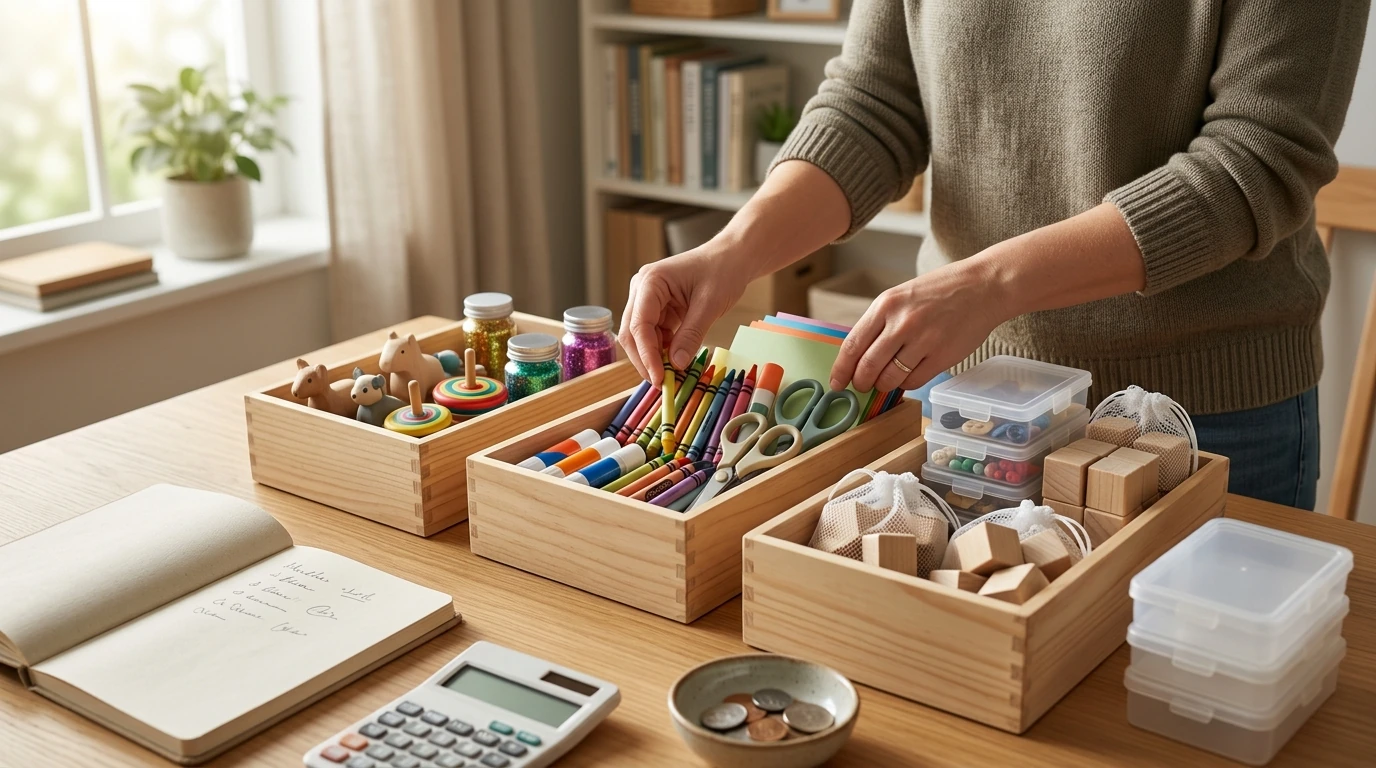
Disorganization drives re-buying: markers “disappear,” puzzle pieces go missing, and half-used supplies get buried. A few storage habits can reduce repeat spending without turning your home or classroom into a warehouse.
If you want a ready-to-print setup, the Budget Smarts for Toys and Everyday Supplies printable PDF is built for quick tracking, restock routines, and consistent spending rules.
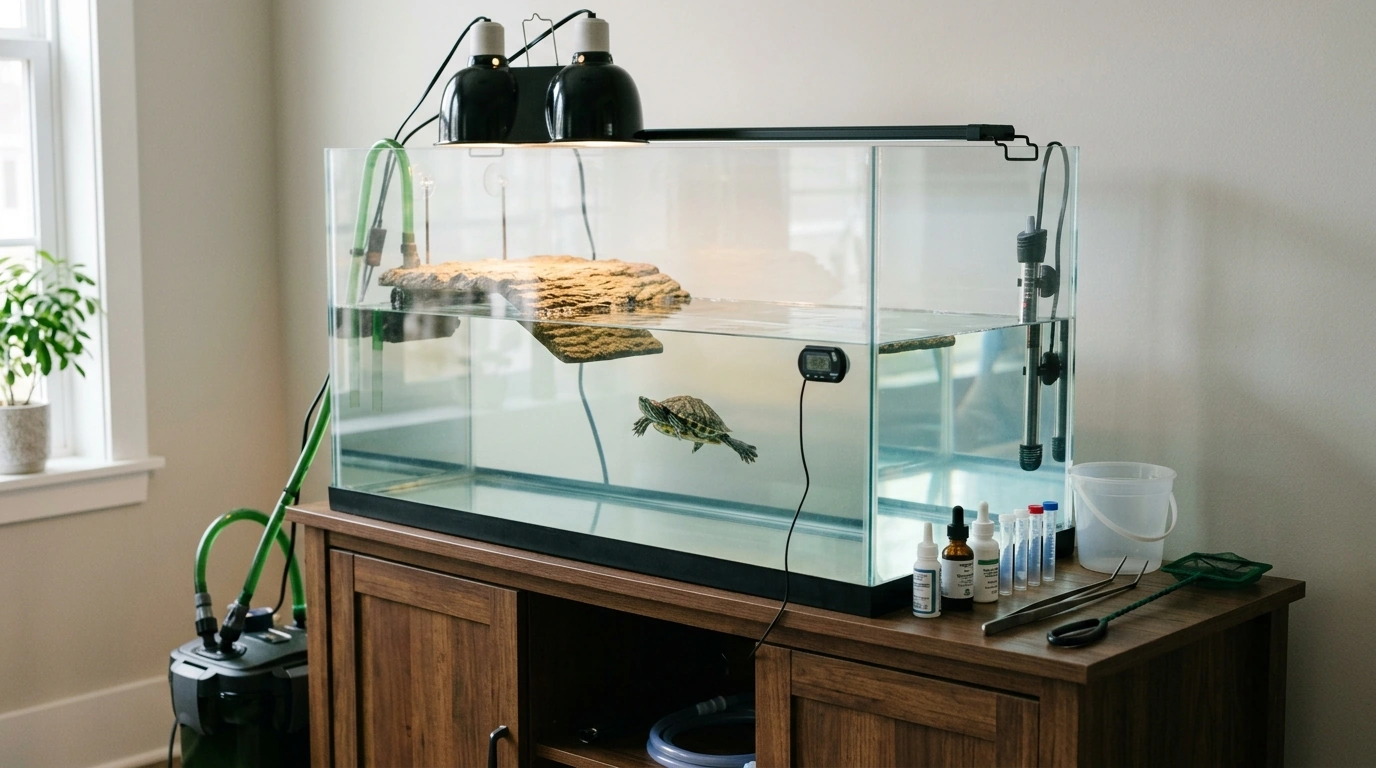
For families that also budget for hobby-style learning projects, a second checklist can prevent “restart spending” when supplies are forgotten. The The Fun Aquarium Setup Checklist printable guide is an example of how a simple, step-based list can reduce duplicates and missed essentials.
For broader budgeting structure and category ideas, the Consumer Financial Protection Bureau budgeting resources are a helpful reference for building a repeatable plan.
Start with a comfortable monthly cap you can keep even in busy seasons, then split it into gifts, supplies, and surprises. Track for one month, adjust the split (not necessarily the total), and prioritize consistency over a perfect number.
Use a 24-hour pause rule, keep a running wish list, and fund a small “yes” category that sets a clear boundary. Rules like “one in, one out” and “buy only on planned days” reduce arguments by turning decisions into predictable routines.
Standardize core items, keep a simple inventory sheet, and set a per-term spending cap so purchases stay intentional. Scheduling restock days and favoring reusable materials prevents emergency runs that inflate costs.










Leave a comment