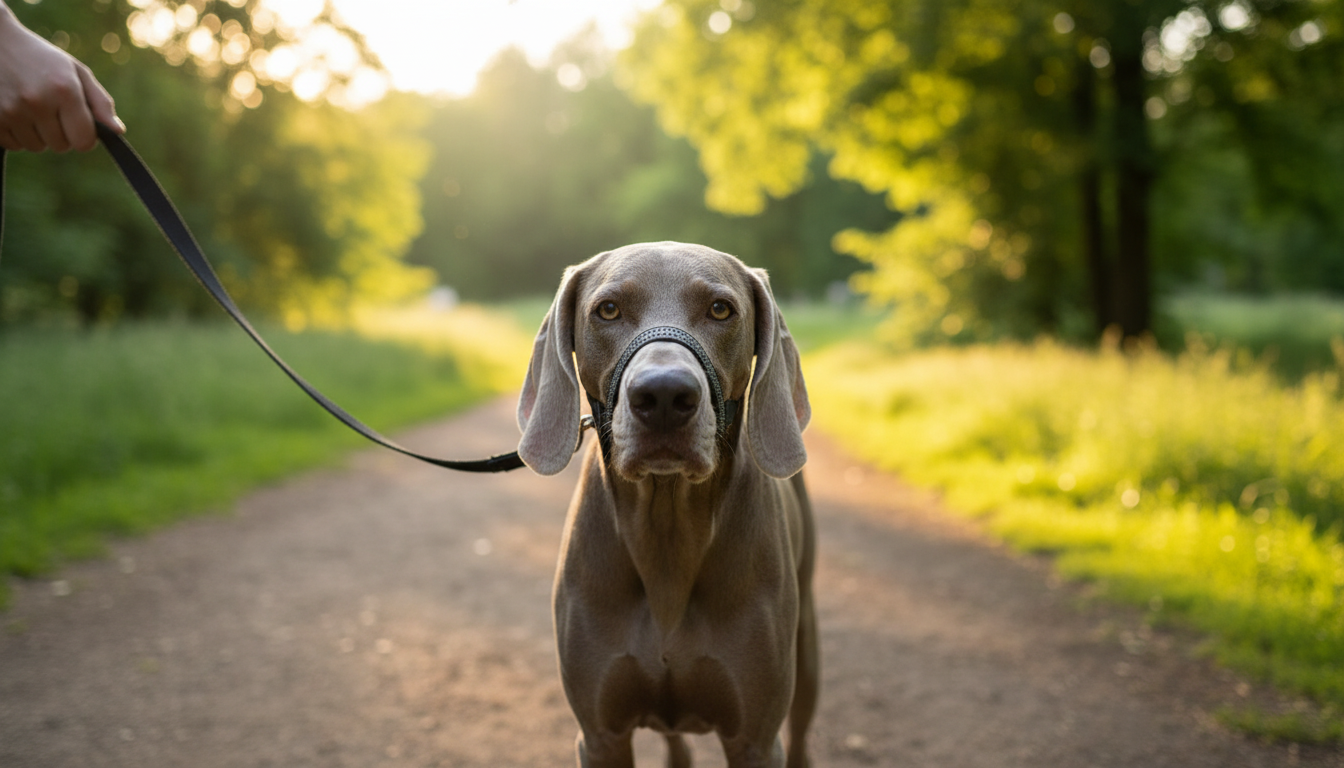
A well-fitted muzzle can add an extra layer of safety during walks, vet visits, grooming, and other stressful moments—without replacing training, management, or supervision. Choosing a reflective nylon design can also improve visibility in low light while keeping the fit lightweight and adjustable for everyday handling.
A muzzle can be a practical, short-term tool when the environment is unpredictable or the dog is under pressure. Common scenarios include veterinary exams, grooming appointments, crowded sidewalks, travel days, careful introductions, or handling an injury where pain could raise the chance of a snap.
Used thoughtfully, a muzzle helps reduce the risk of bites in those “split-second” situations—especially when fear, overstimulation, or discomfort is involved. It can also help handlers stay calmer, which many dogs pick up on quickly.
At the same time, a muzzle isn’t a substitute for behavior modification, gradual socialization, or attentive supervision. If a setting is overwhelming, the safest choice is often to create distance, reduce triggers, and exit calmly rather than “pushing through” because a muzzle is on. For additional guidance on preventing bites and staying safe around dogs, see the American Veterinary Medical Association (AVMA) dog bite prevention resources.
Not every muzzle style fits every lifestyle. Reflective nylon options are often chosen for short wear periods when comfort, adjustability, and visibility matter most—like a quick evening walk, a car ride, or a brief wait in a lobby.
Reflective accents can make a real difference during early-morning or after-dark outings near roads, parking lots, and dim paths. Nylon construction is typically lightweight and flexible, which can feel less bulky than more rigid materials for some dogs, especially when the goal is calm, temporary management rather than extended wear.
Adjustable straps help fine-tune fit for different head shapes and reduce shifting as the dog moves. A snug-but-not-tight fit tends to stay more stable, which can reduce pawing and rubbing when paired with gradual, reward-based acclimation.
| Feature | Why it matters | Best for |
|---|---|---|
| Reflective trim | Improves visibility in low light | Dusk/night walks, roadside areas |
| Nylon material | Lightweight and quick-drying | Short errands, travel days, mild weather |
| Adjustable straps | More precise fit and stability | Dogs between sizes or with unique head shapes |
| Secure fastening | Helps reduce slipping and rotation | Calmer handling at vet/groomer |
Fit is the difference between a muzzle that supports safety and one that creates frustration. Before ordering, measure snout circumference and length according to the product’s sizing guidance. If your dog is between sizes, prioritize a fit that won’t compress the nose or interfere with normal breathing.
Comfort checks should happen every time you use the muzzle, not just the first day. The dog should be able to breathe normally, and in warm weather, panting needs to be possible for basic cooling. After a short trial, look closely for rubbing on the bridge of the nose or along the sides of the snout.
A helpful guideline is the two-finger rule on straps: snug enough to prevent slipping and rotation, but not so tight that it pinches, restricts jaw movement, or leaves deep marks. Also, never leave a muzzled dog unattended—remove the muzzle as soon as the situation ends and the dog is safely back in a low-stress setting.
Even a well-designed muzzle can cause stress if it appears “out of nowhere” and gets fastened immediately. Start in a calm area at home and let your dog sniff and investigate the muzzle at their own pace.
As comfort grows, pair the muzzle with familiar routines your dog already likes—stepping outside, a short walk, or a quick car ride—then remove it. If your dog freezes, panics, or paws hard at the muzzle, back up to an easier stage and shorten sessions. For more acclimation tips, the American Kennel Club (AKC) muzzle training guidance is a helpful reference.
Heat management matters, too. Avoid prolonged use in hot weather and monitor your dog for heavy panting or distress. A muzzle is only one part of a solid plan—keep distance from triggers when possible, maintain leash control, and have a calm exit strategy ready. Reward-based training can support long-term progress; the RSPCA’s reward-based training guidance is a useful overview.
If you’re looking for a simple, lightweight option for everyday handling scenarios, the Reflective Nylon Dog Muzzle is designed to support supervised use when extra safety is needed. Reflective detailing helps with visibility in low light, while adjustable straps help fine-tune fit and reduce shifting during movement.
Yes—on short, supervised walks when the muzzle fits correctly and your dog can breathe comfortably. Avoid prolonged use in heat, and never leave a muzzled dog unattended.
It should be snug enough that it won’t slide or rotate, but not tight enough to pinch or restrict breathing. Check for rubbing and re-adjust as needed, especially after a few minutes of movement.
Use gradual, reward-based steps: let your dog investigate, reward “nose in,” fasten briefly, then remove and reward again. Increase duration only when your dog stays relaxed, and back up a step if stress behaviors appear.









Leave a comment